


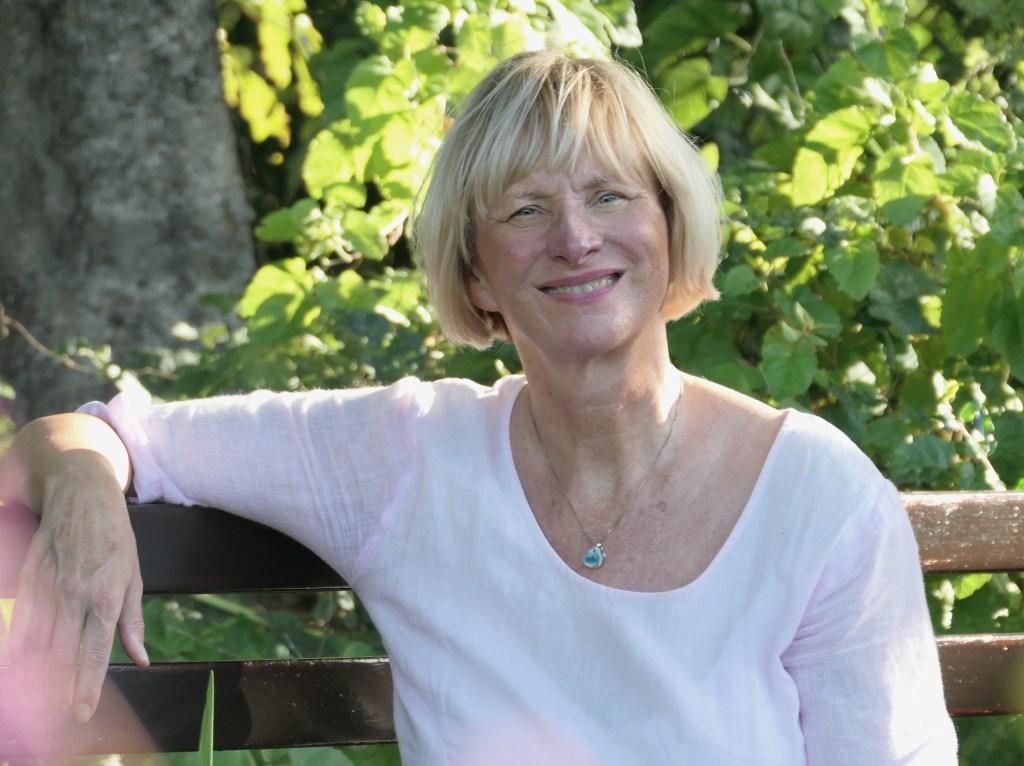
Prof Edda Weimann, MD, MPH

Why…
Climate protection is health protection
Welcome to my website Climate4Health – healthy people on a healthy planet
Climate change is the greatest threat to human health and survival, as highlighted by the World Health Organization (WHO) and the Intergovernmental Panel on Climate Change (IPCC). Without rapid decarbonisation and protection of our natural systems, we risk reducing life expectancy worldwide.
We are facing a global health emergency: current trajectories point towards dangerous levels of warming and an increasingly uninhabitable planet. We stand at a crossroads—either continuing environmental destruction or using scientific evidence to build a sustainable, net-zero future that protects and improves human health.
The healthcare sector has a special responsibility: as the world’s fifth-largest emitter, responsible for around 5.3 % of global emissions, it must become part of the solution. No one is coming to save us—but we have the knowledge, the tools, and the responsibility to act now.
Sir David Attenborough, People’s Advocate for COP 26: address to World Leaders | Climate Action
You Tube Video – Address Sir David Attenborough
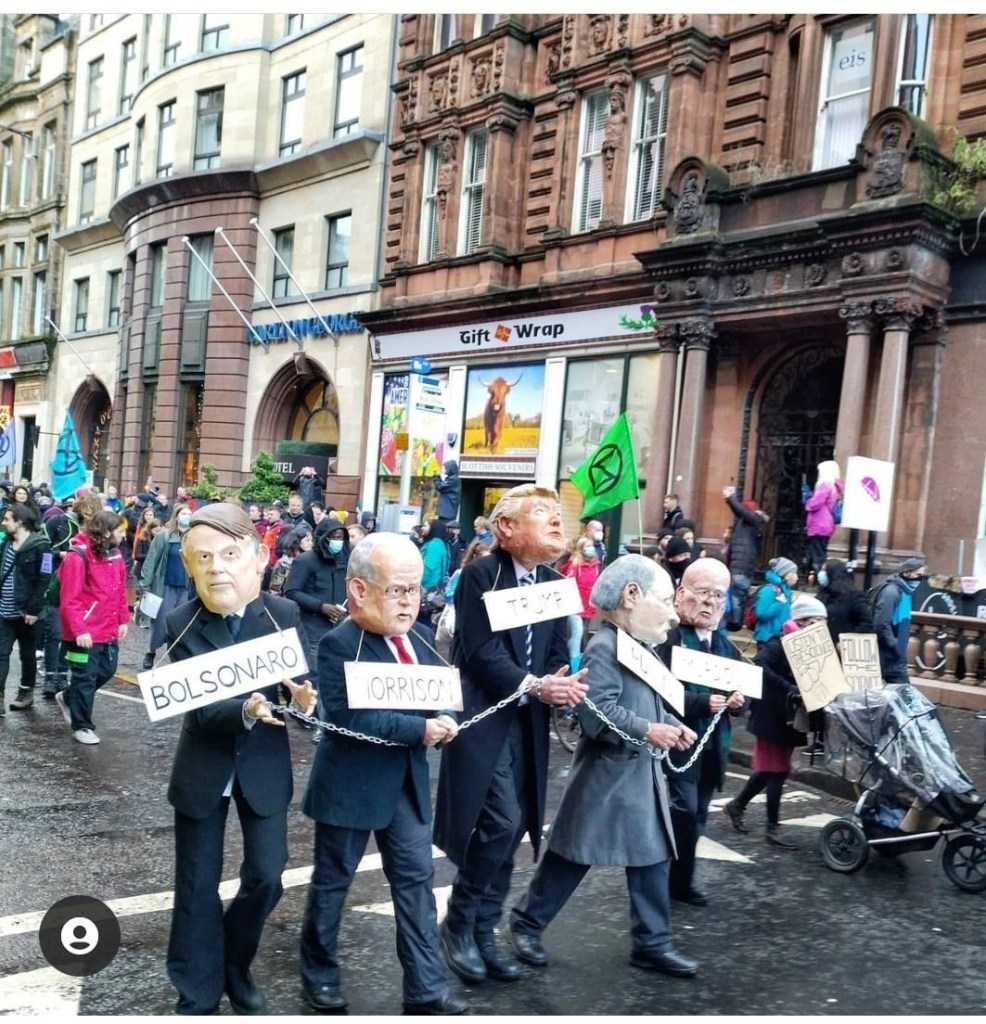
The latest IPPC reports are Code RED. The climate situation can only be described as dramatic. UN-Chief Guterres said at a press conference on 15th June 2023: „The era of global boiling has arrived. … We are on a highway to climate hell. We are in the fight of our lives, and we are losing.”
The positive news are – climate action is the solution to climate hell! Let´s do it together and start now!


Planned monster EACOP crude oil pipeline through Uganda and Tanzania
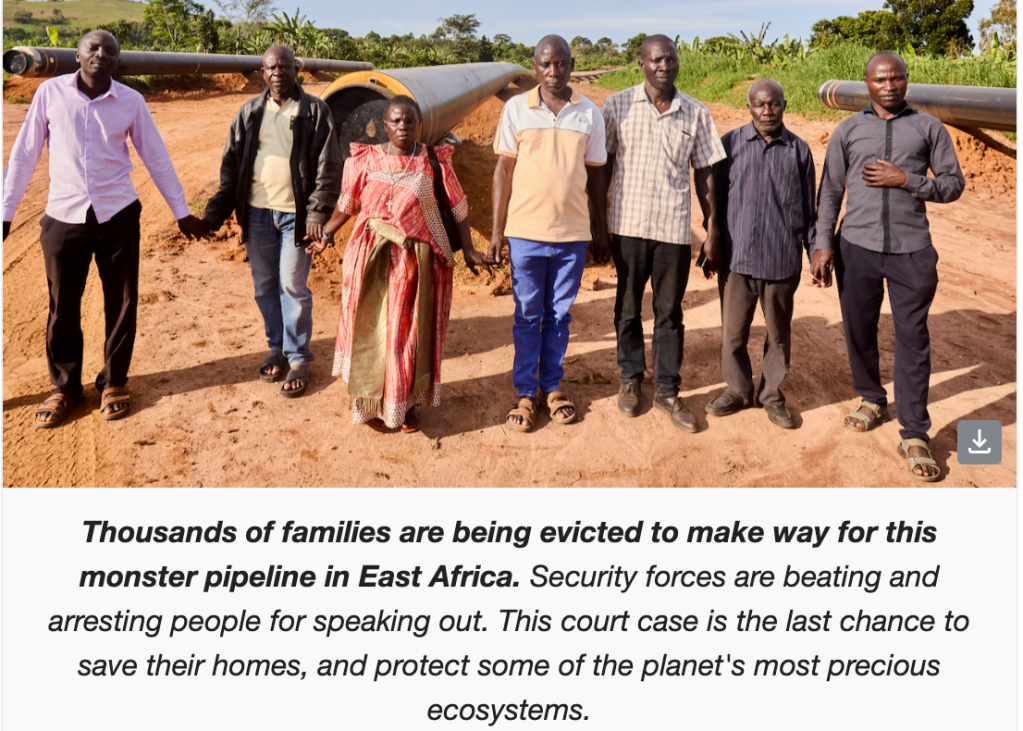
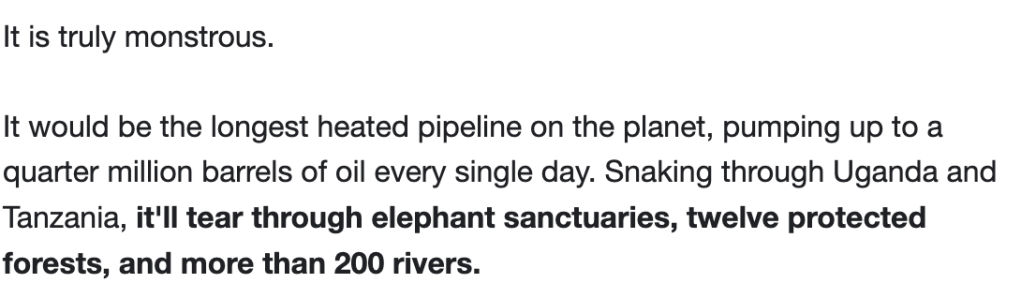
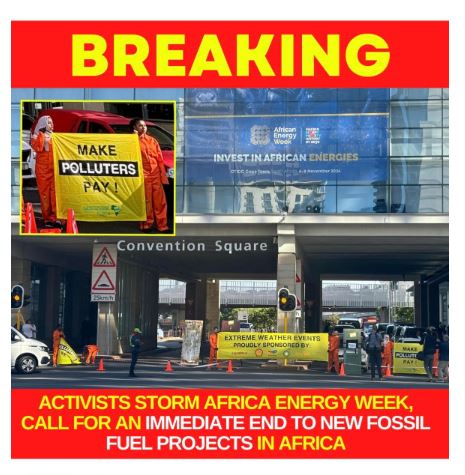
Africa contributes the least to global greenhouse gas emissions—apart from South Africa and Nigeria, which remains highly carbon-intensive due to its fossil fuel based energy sector. Yet the continent has become a hotspot of climate-related crises. Severe droughts, destructive storms, catastrophic floods—including recent floods in Kruger National Park and Zimbabwe—prolonged cyclones such as Cyclone Freddy in 2023, worsening air quality, and widespread plastic pollution are placing an increasing burden on people, ecosystems, and health systems. These impacts are amplified by persistent colonial patterns of resource exploitation (e.g. EACOP) by First World companies, leaving communities and landscapes highly vulnerable.
 Climate action means health protection