

Selection
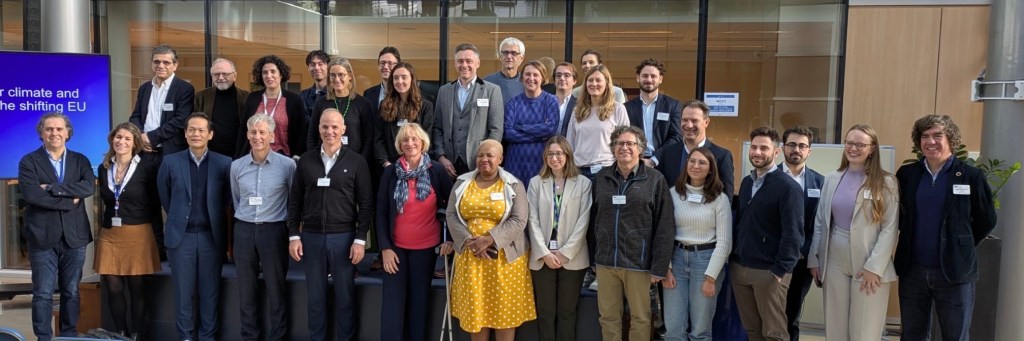
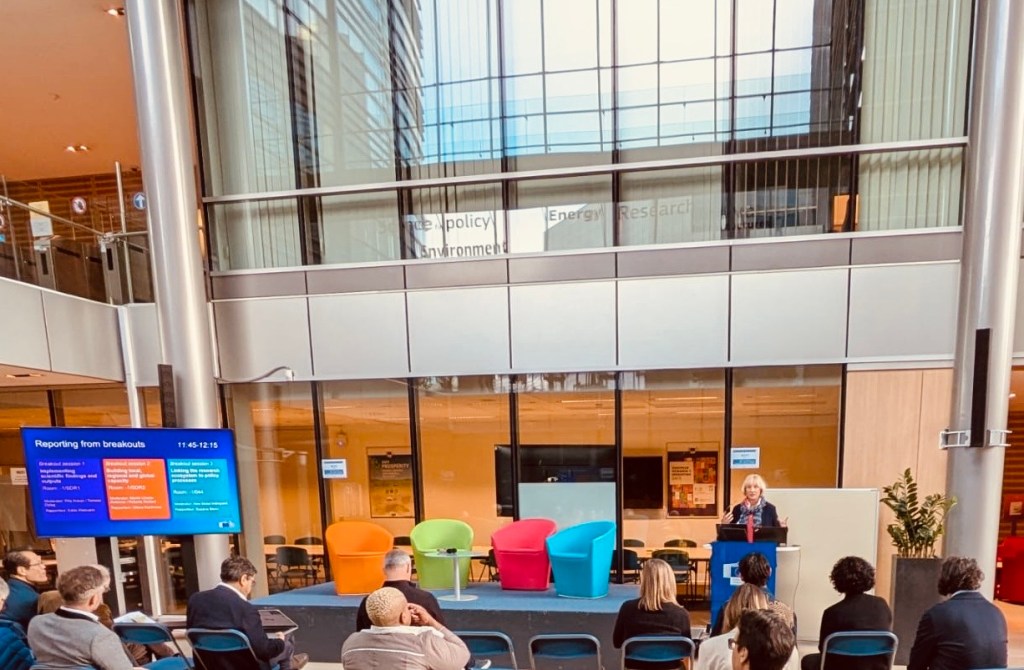
EU Expert Workshop on priority setting for Climate Change and Health Research, Brussels, 4-5 December 2025
Over one and a half intensive days, the EU expert workshop on priority setting for climate change and health research offered a rich mix of presentations and strategic discussions. These sessions provided fresh perspectives on shaping the EU Climate and Health agenda within today’s complex geopolitical landscape. The workshop gave us valuable input and time to reflect, allowing us to generate bold and ambitious ideas for the path ahead and to work toward sustainable health benefits for people in the EU and beyond by preventing climate scenarios incompatible with life. Although the road forward will be rocky and marked by expected setbacks, the event also created space to connect, reconnect, and build new relationships.
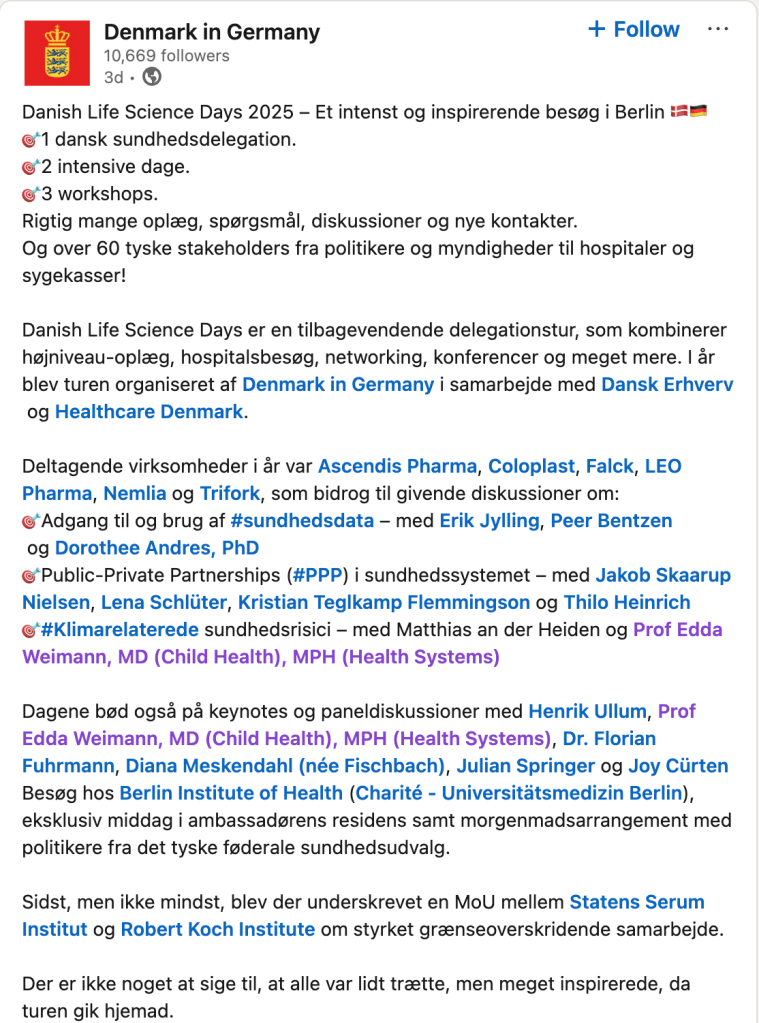
Danish Life Science Days, Danish Embassy, Berlin, 15 October 2025
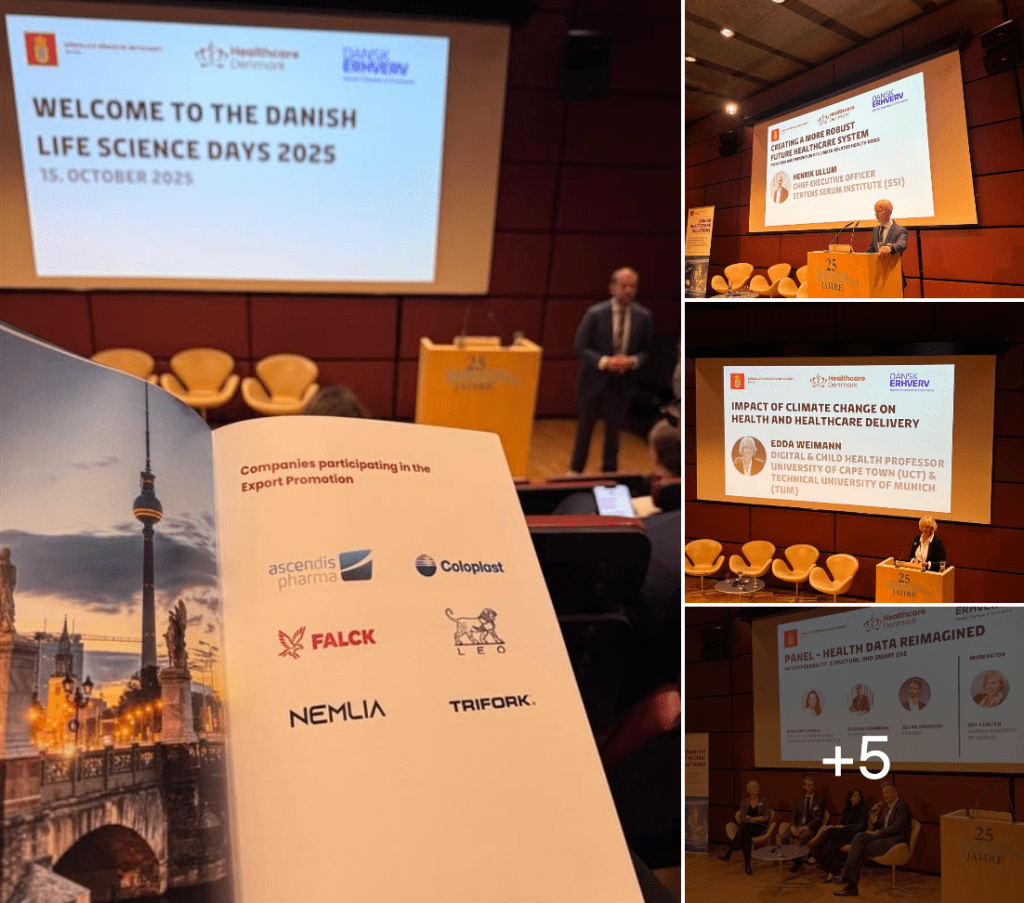
Keynote lecture on the impact of climate change on health and healthcare delivery & moderation of the workshop “Heat, climate change and chronic diseases.”
ENBEL Conference on Climate Change & Health, Tallinn 16-19 October 2025
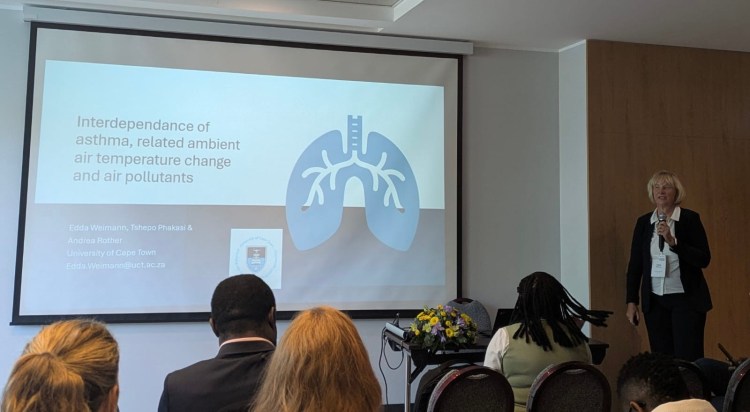
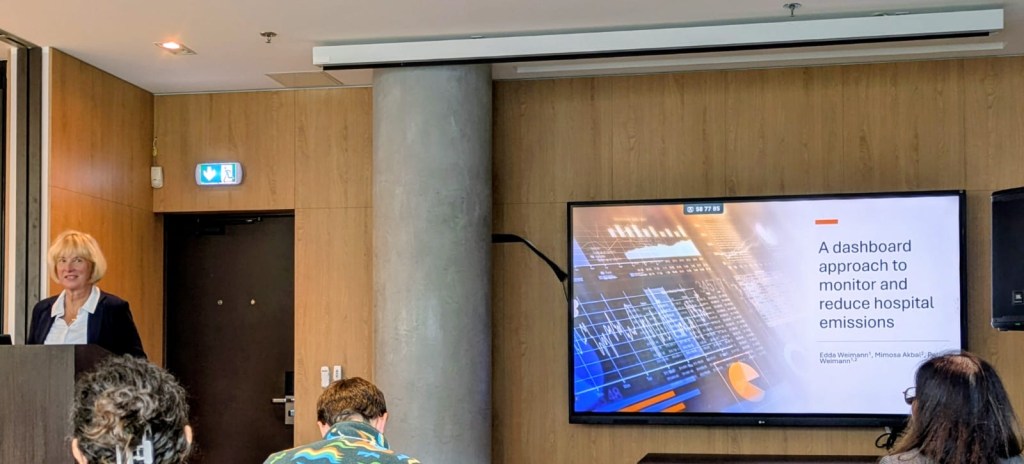
Lecture on climate change & health, University of Tübingen
Webinar on 20th February 2025

ISSA Geneva:
Opening remarks by Marcello Abi-Rania Caetano, ISSA Secretary General
Moderation Nathalie de Wulf
Panel members:
- Dr. Susanne Weinbrenner, DRV Berlin, Germany
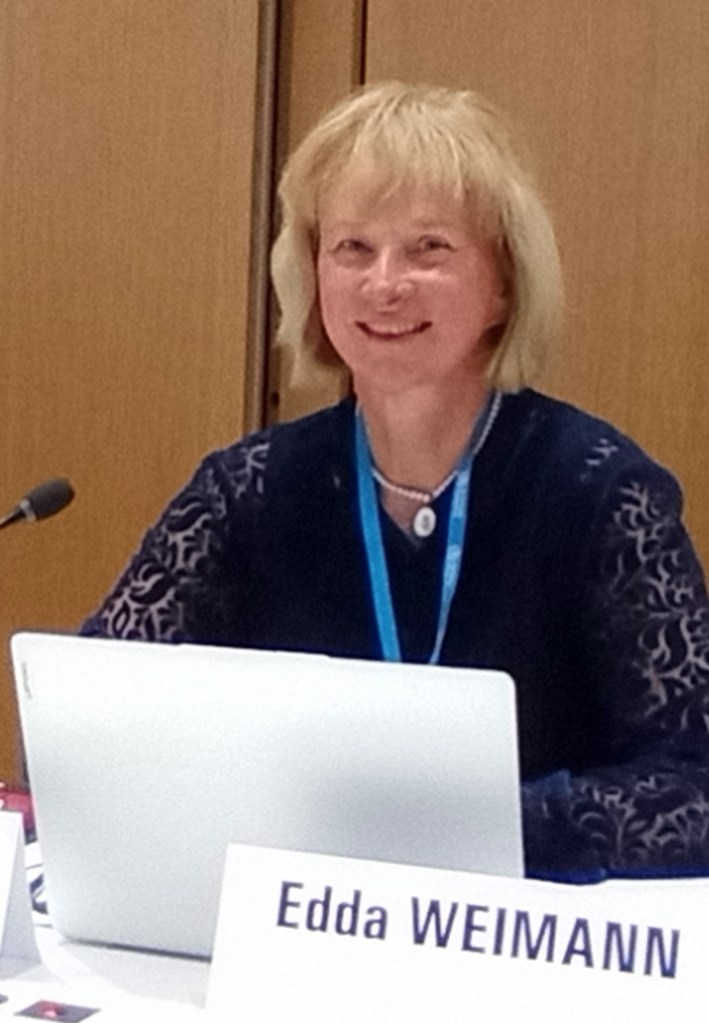
- Prof Edda Weimann, University of Cape Town, South Africa: “Health in the climate crisis – green leadership in healthcare and rehabilitation“
- Bengt Anderson, Nordic Welfare Centre, Sweden,
- Prof Helinä Melkas, LUT University, Finland
Webinar on 4th December
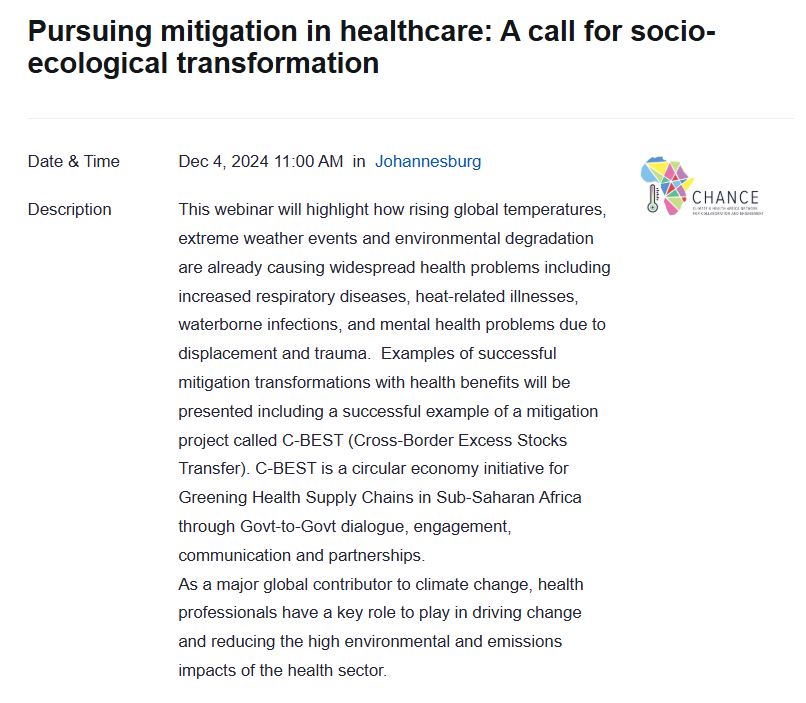
Establishing a green and sustainable hospital as CEO of MY Heart Care Centre in Kigali, Rwanda
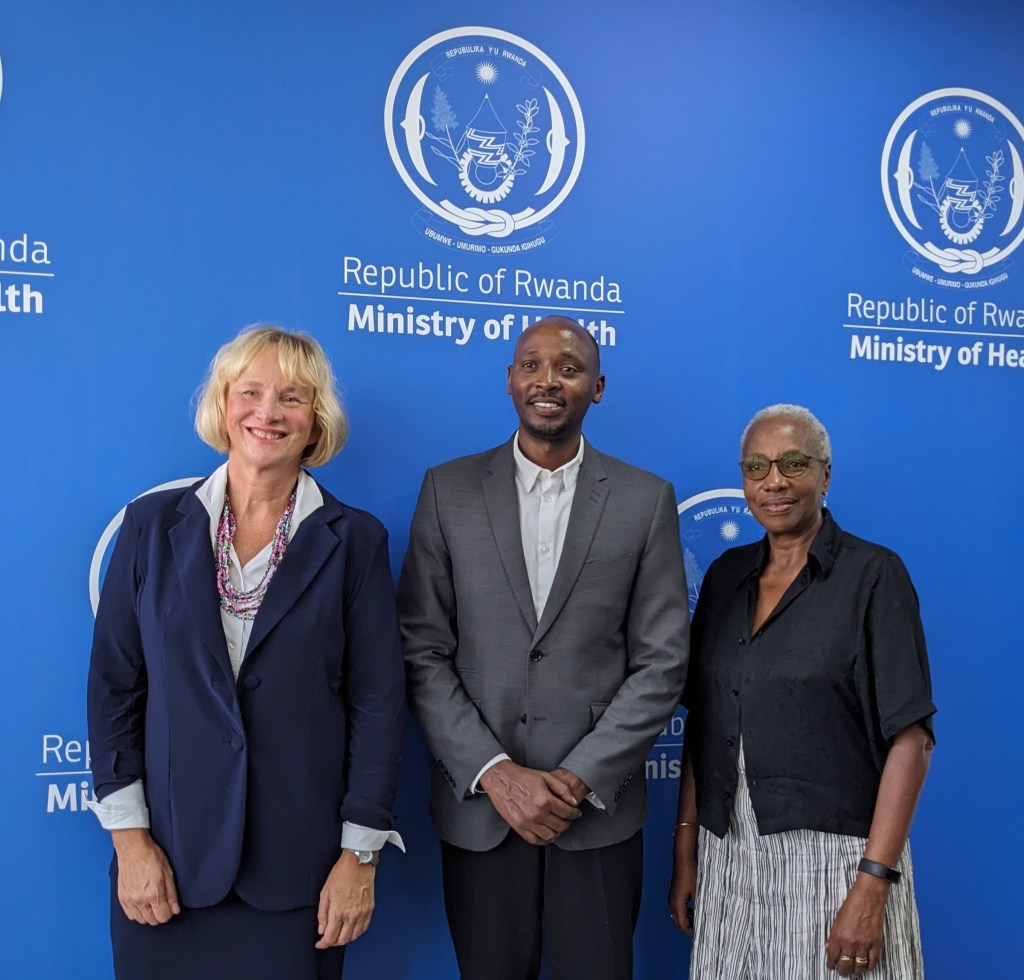
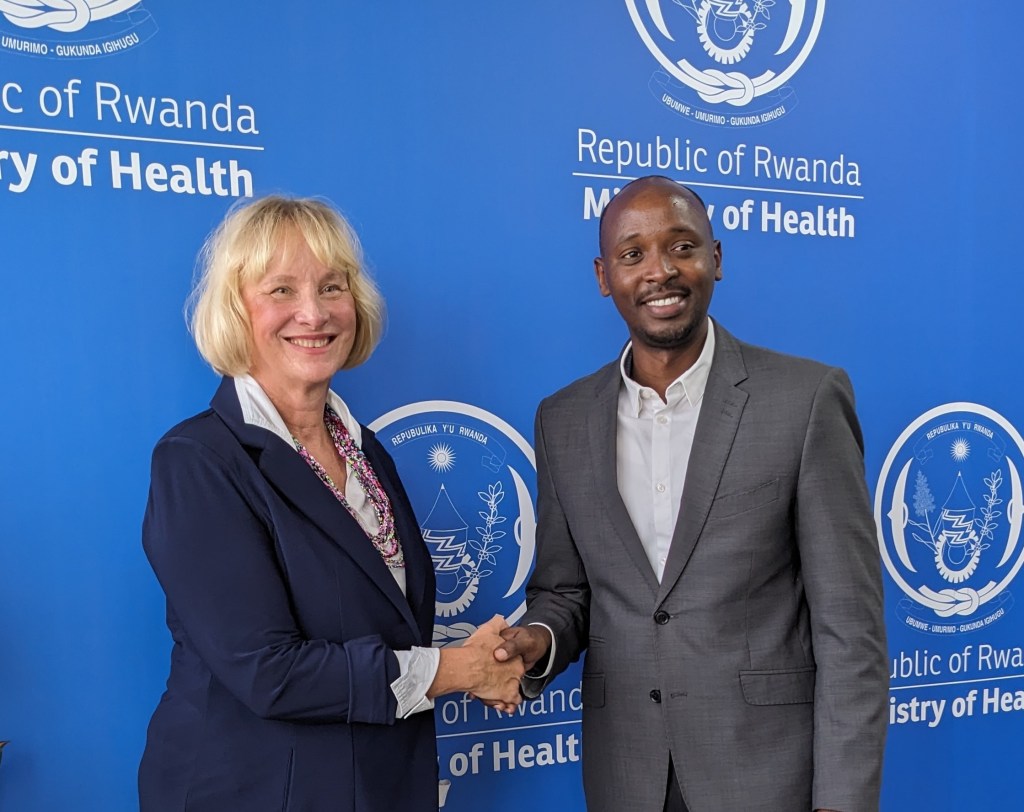
Meeting with Minister of Health, Rwanda
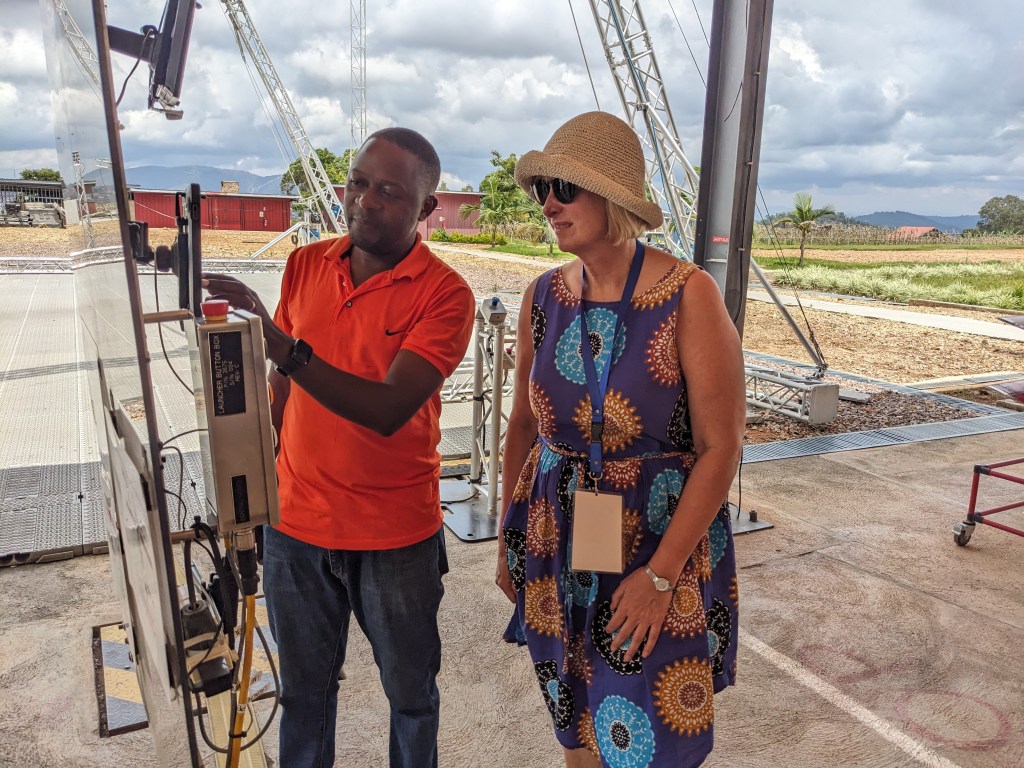
Visit of drone delivery system Zipline.
Medication, vaccines and blood products are sent on demand within minutes to remote hospitals in Rwanda

Meeting with the Head of the Rotary Club of Kigali in support of our hospital construction
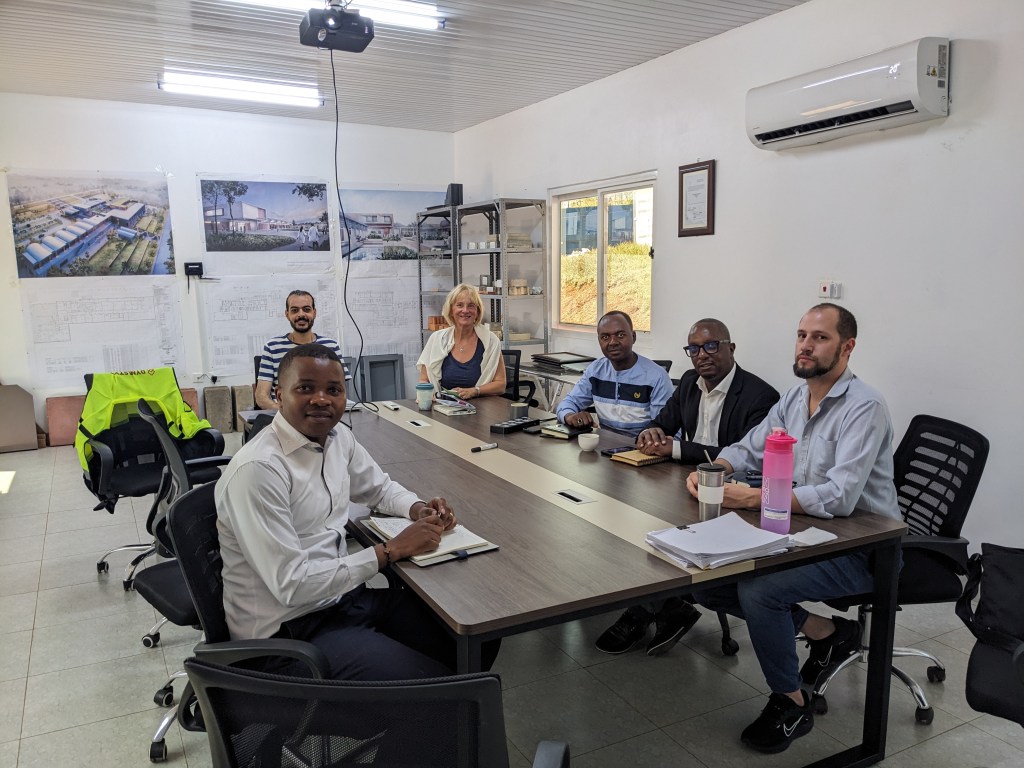
Ceremony – celebrating 1st building phase of the MY Heart Centre in Kigali together with the Minister of Health, Rwanda and the Minister for Foreign Affairs, Egypt
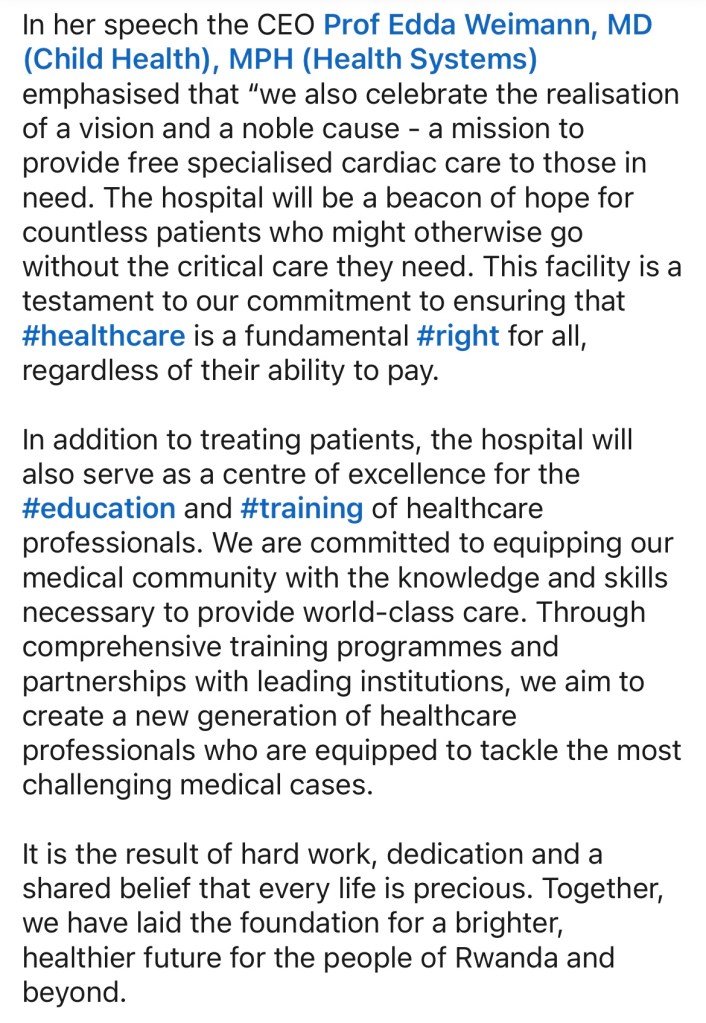
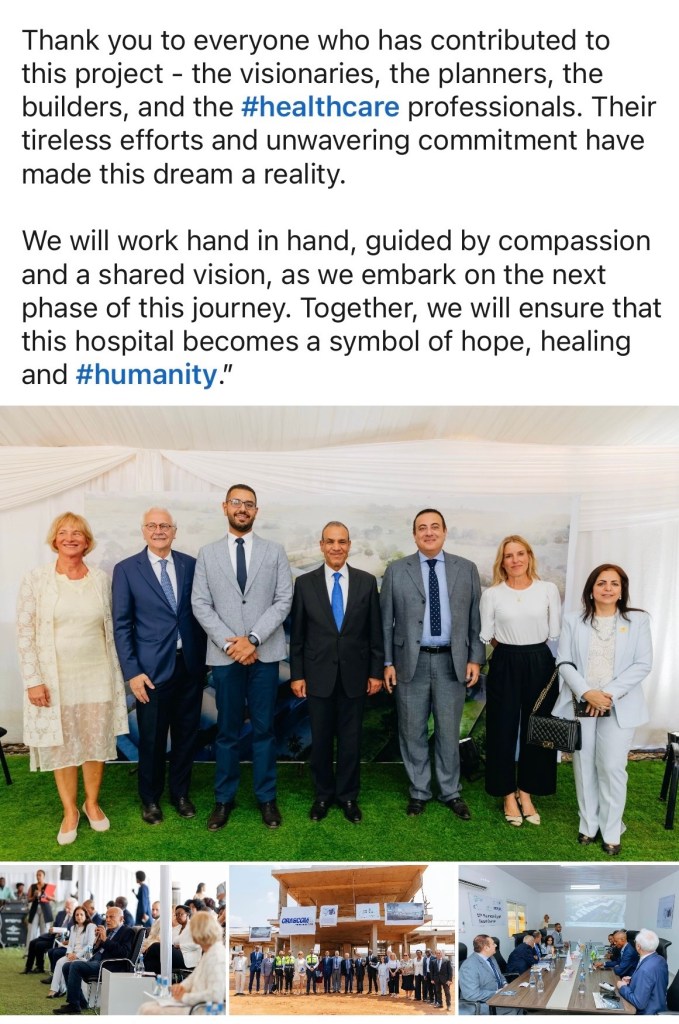

Together with the Ambassador of Egypt and the Minister of Foreign Affairs, Egypt
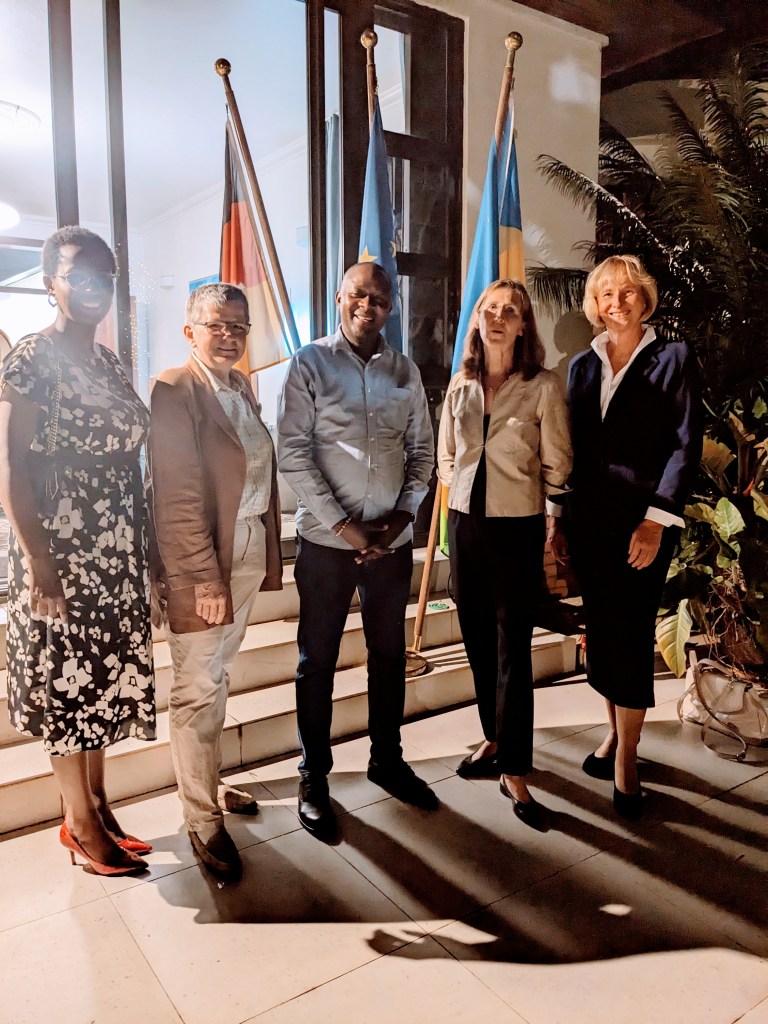
Function at the German Embassy in Kigali with the German Ambassador Uta Dettmann and delegates from the German government

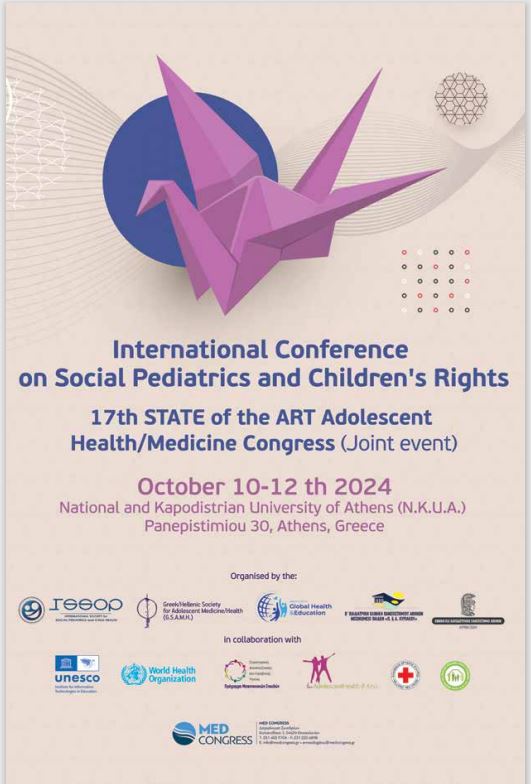
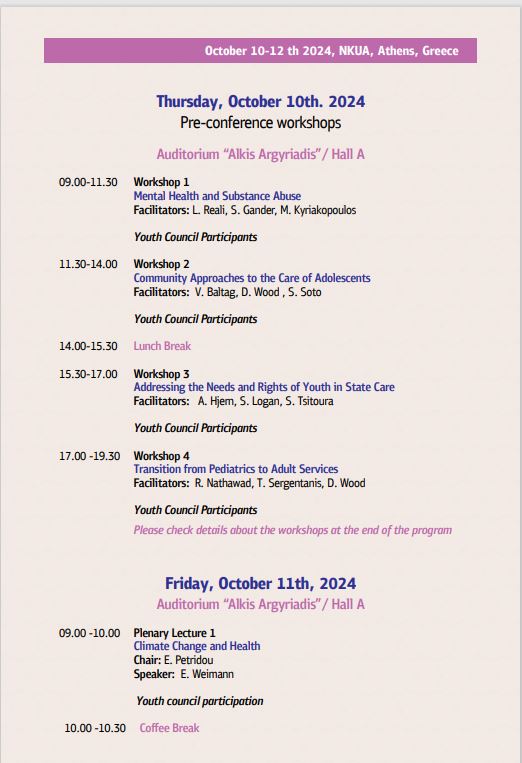
International conference of Social Pediatrics and Children´s Rights
Athens, 10th to 12th October 2024
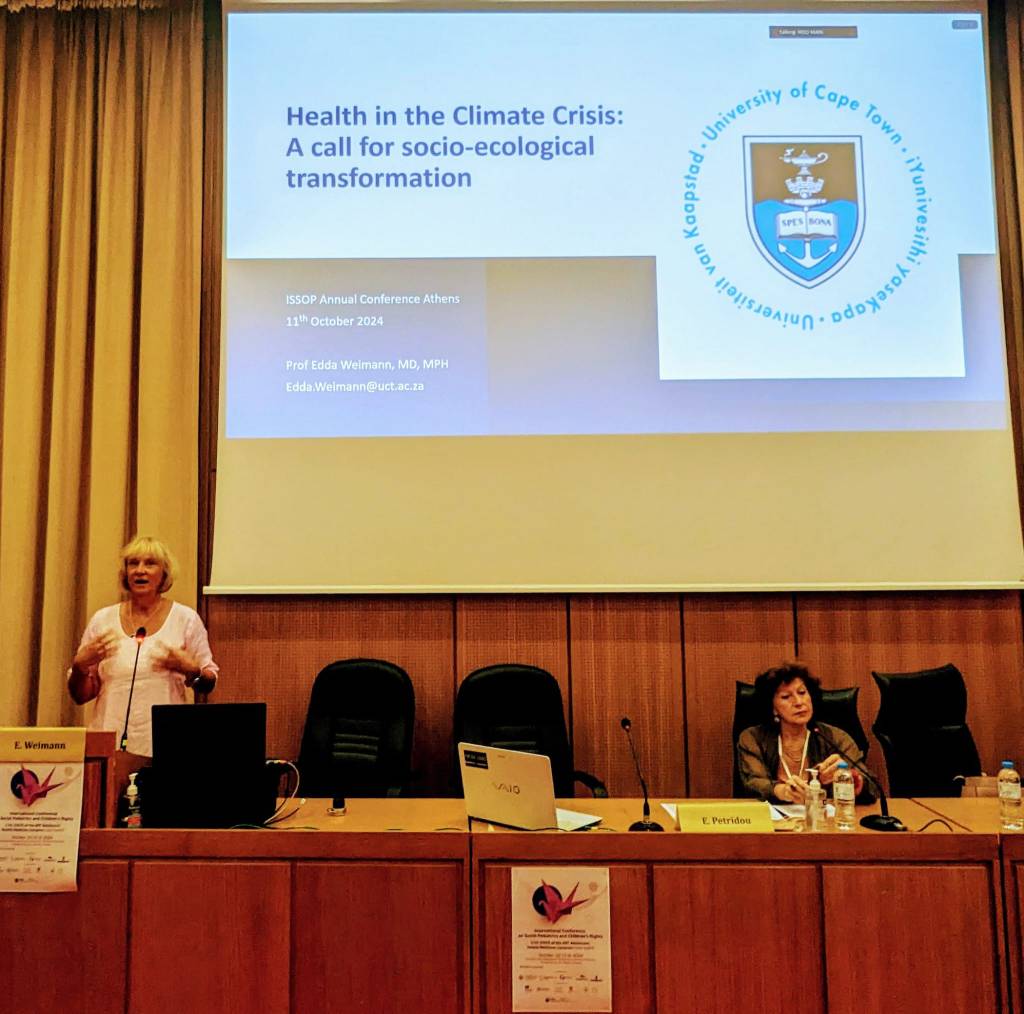
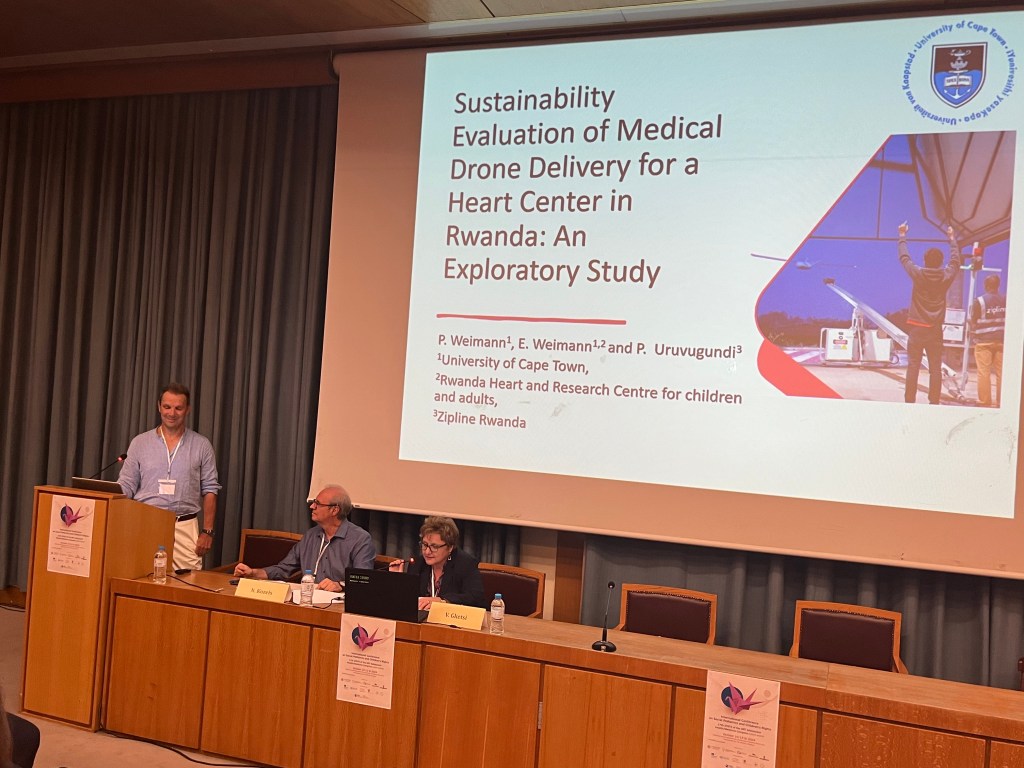
I am excited and grateful that the topic of climate change and health has moved from the niche at the end of a conference, when almost everyone had already left, to the front row and first Plenary lecture. It was a great honour for me to accept the invitations of Professor Jeffrey Goldhagen, University of Florida and President of ISSOP and Professor Artemis Tsitsika, University of Athens, to deliver a plenary lecture at the Annual Conference of the International Conference on Social Pediatrics and Children´s Rights (ISSOP) and the 17th State of the Art Adolescent Health Congress as a joint event. To underline the importance of the topic I am grateful that Climate change and Health was chosen as the first lecture of the conference.
In my presentation, entitled “Health in the climate crisis – a call for a socio-economic transformation”, I highlighted how rising global temperatures, extreme weather events, and environmental degradation are already causing widespread health and economic challenges. These include increased respiratory diseases, heat-related illnesses, waterborne infections, and mental health issues due to displacement and trauma. Vulnerable communities are disproportionately affected, exacerbating social inequalities.
There are multiple examples, most notably the poor public health outcomes of the US health system, which underlines that more carbon output does not mean better health outcomes. In recent years, the health systems of high-income countries have experienced a decline in life expectancy (e.g. Germany) which will be aggravated by the escalating climate crisis.
In my presentation, I argued for a socioecological transformation, stressing the need to shift from a purely economic growth model to one that prioritises sustainability, equity, and well-being embracing the Doughnut model. I gave examples of successful socio-ecological transformations in Rwanda and Kigali, Paris, Kopenhagen and Stockholm, with significant health benefits. Integrating Planetary and One Health into the curriculum, not only of health care but all disciplines, is essential for protecting both the planet and human health.
As a major global contributor to climate change, health professionals have a key role to play in driving change and advocating for the rapid reductions in the health sector´s carbon emissions to reduce the high environmental and health impacts.
We were delighted to present two research projects, one on drone delivery of blood and medicines in Rwanda with Zipline, and the impact of charcoal cooking on child health and deforestation in Uganda together with the British High Commission in Kampala.
It was a particular pleasure to co-chair the symposium “Climate change and the complex, multifaceted impact of adolescent physical, psychological and social health” on climate justice, gender equality, migration, resilience together with Prof Colleen Kraft from the University of Southern California and to experience first-hand the enthusiasm and passion of young health care professionals with an international background. Thanks a lot! So much to gain and so much to lose!

20 Years Anniversary HCWH,
Brussels, March 2024
Congratulations on your anniversary and on your achievements in sustainable and net-zero health care over the past 20 years! HCWH are true champions of change with the ability to create a sense of community. I am thrilled to be part of it and to contribute to it.

EU Commission,
February 2024, Brussels
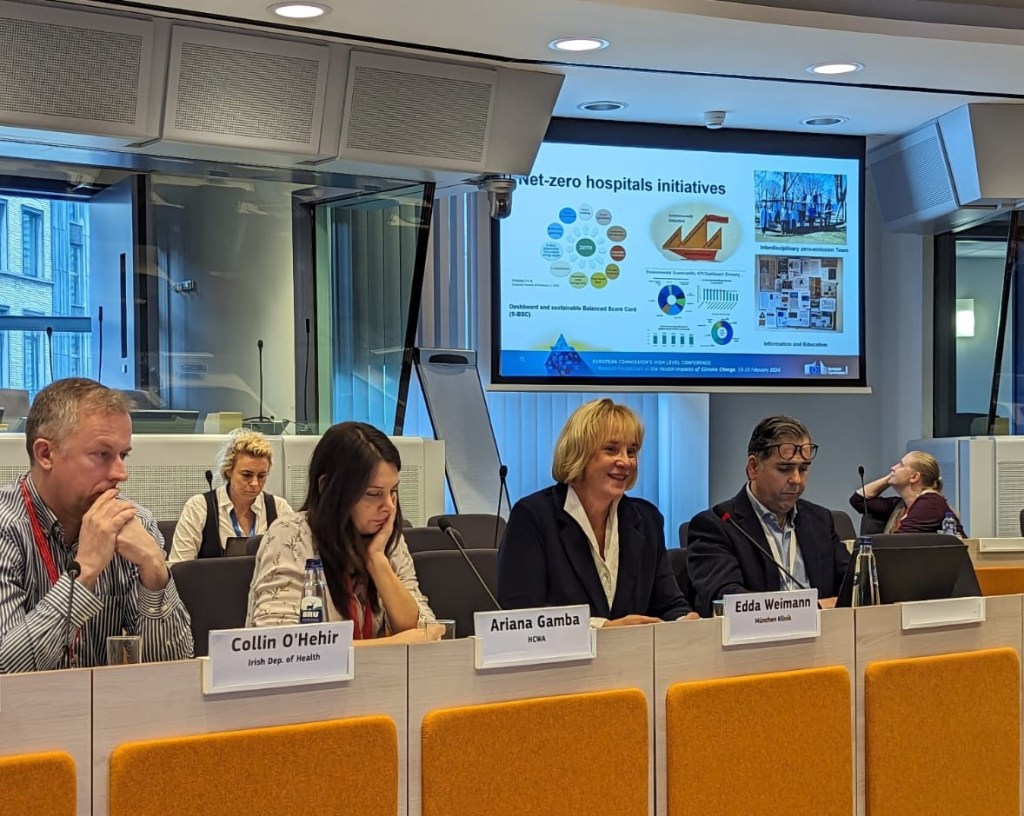
Panel discussion and talk about sustainable hospitals
Climate change undermines not only the health of our planet, but also human health.
I am honoured to contribute to this high-level conference and to be a panellists outlining how hospitals can become climate leaders. I hope it will inspire others to embark on this rewarding journey to net-zero. Together we can do it! But it must be now!
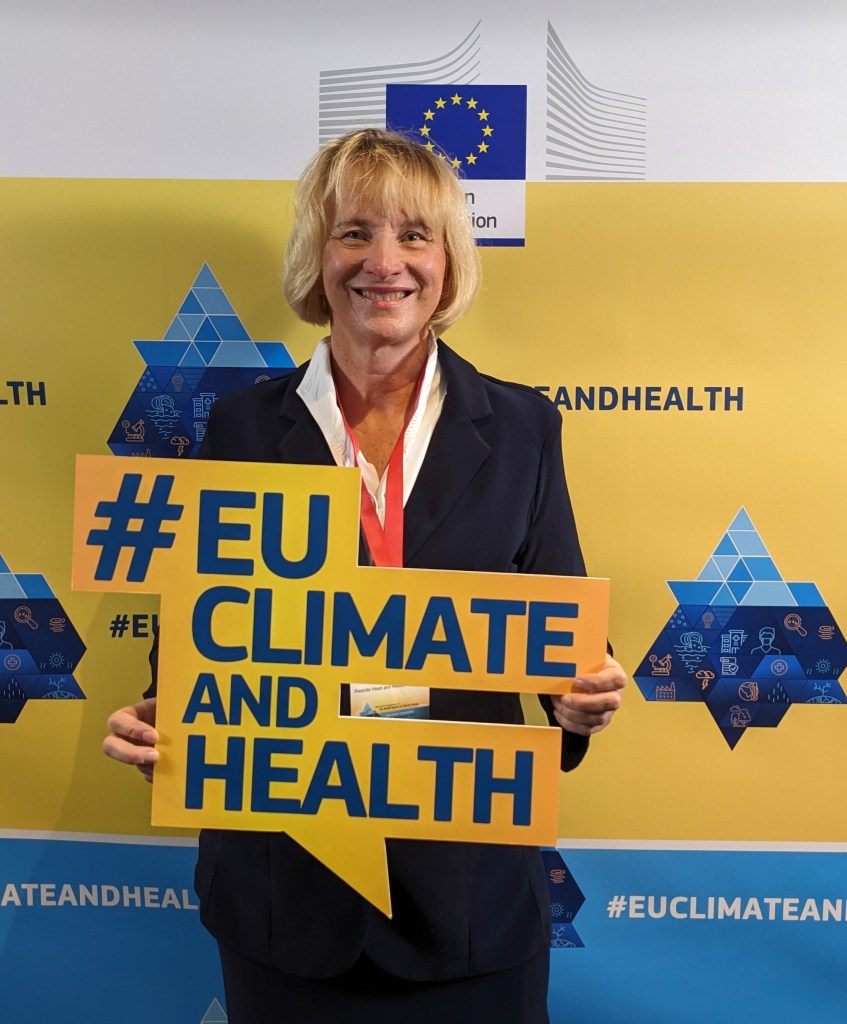
Hospitals being built today will serve communities for the next 50 years. It is therefore imperative that we plan now for the future. Financing and funding sustainable hospitals is still a huge undertaking. If the EU and governments worldwide would stop subsidising the fossil fuel and aviation industries, these money could be used for sustainable health care. #EUClimateandHealth
Act now for a sustainable and more just future.
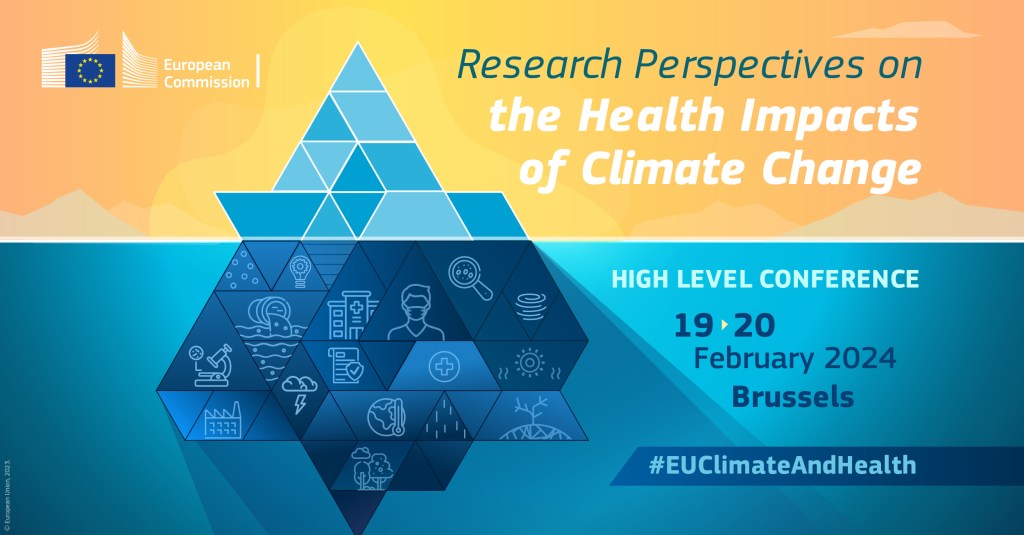
Let’s turn the tide with EU-funded research!
🗓️ Save the date for the #EUClimateAndHealth high-level conference to reflect on the research needs in the field of #climatechange and #health.
When: 19-20 February 2024
Where: Brussels
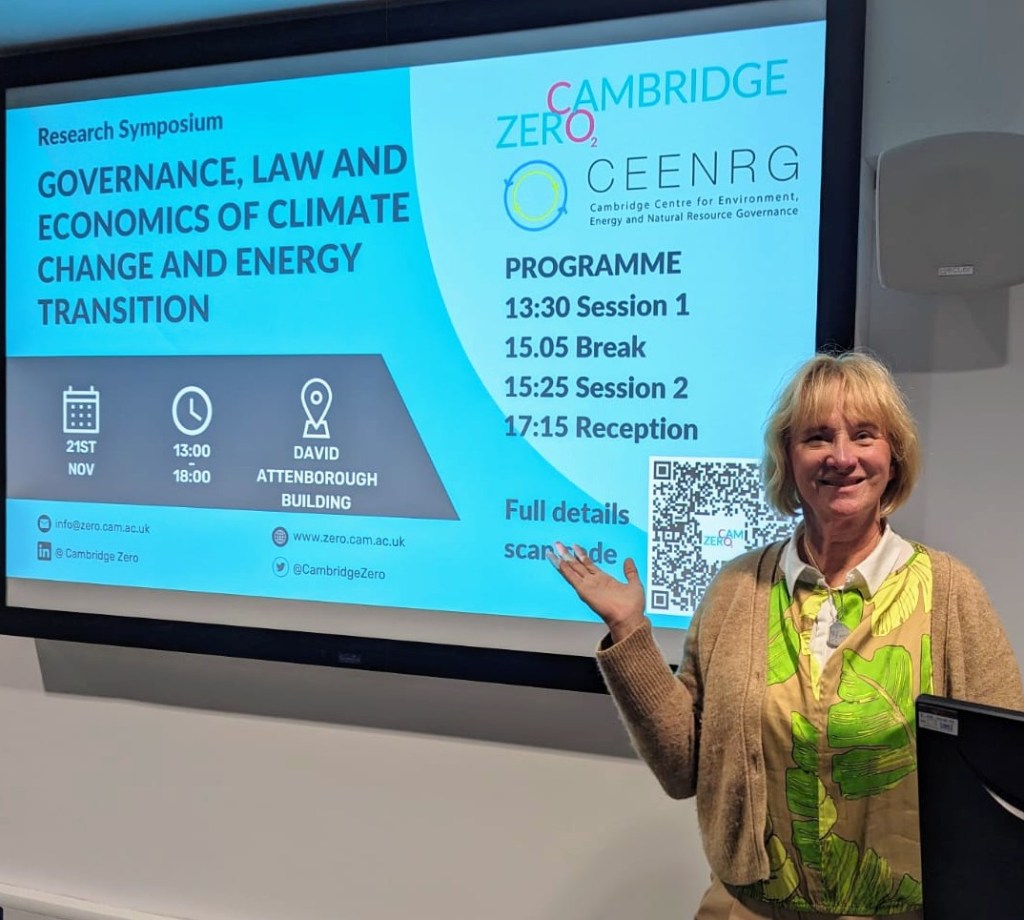
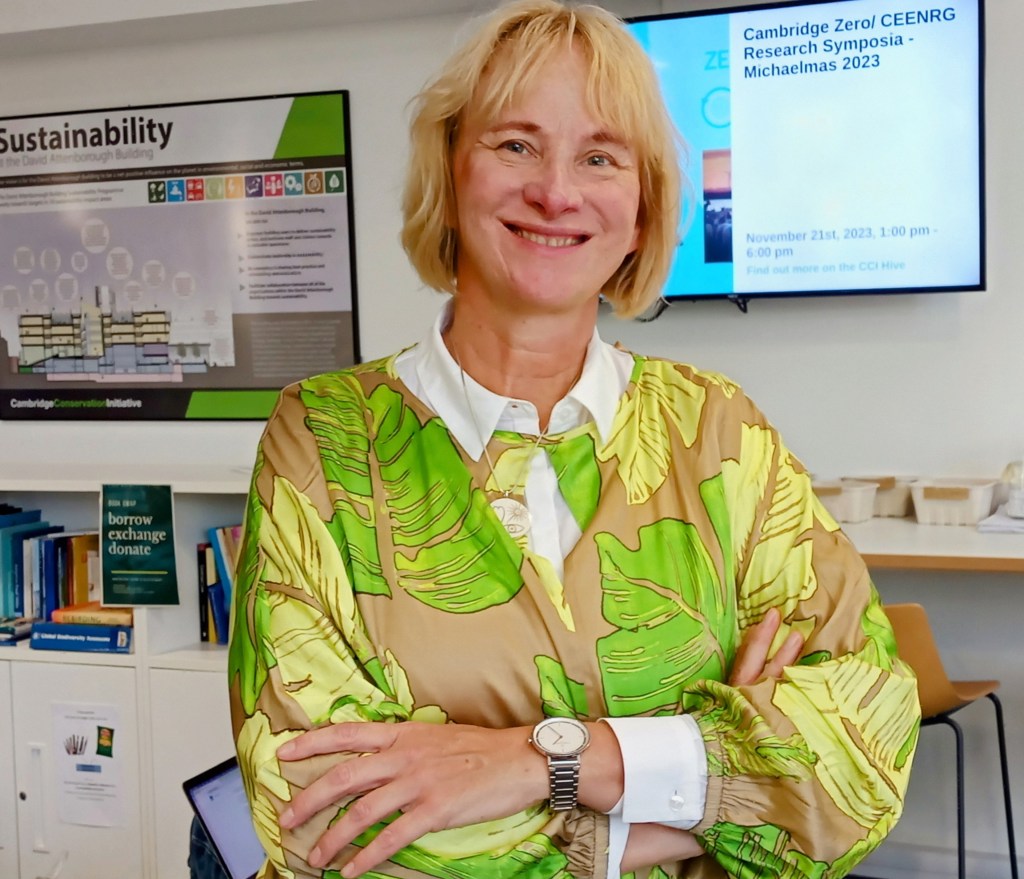
Research symposium Cambridge zero and CEENRG
Cambridge, November 2023
I was delighted to attend the research symposium organised by Cambridge zero and CEENRG entitled “Governance, law and economics of climate change and energy transition”. What are the key messages?
As noted in the recent IPCC report, there is a huge gap between the promises made by governments and the current rate of emissions. We need to move much faster and accelerate all our efforts. If governments are willing to shift to renewables, there is good news: The cost of key mitigation technologies has fallen rapidly by 80-90% over the past decade. However, to achieve a rapid energy transition and phase out fossil fuels, we need greater investment in the short term.
Interestingly, research shows that models are better predictors than expert data. For example, costs were lower than estimated by experts. But policies also overestimate costs and underestimate benefits. There is a silver lining on the horizon, as public investment in green energy is increasing and nuclear power is becoming less important. But training and climate education play an important role, as even policy analysts benefit from training in climate science.
As the outcomes of the COP conferences are often very disappointing, there are discussions about making them more efficient and reforming the consensus decision-making process. At the Glasgow COP26, two years ago, the coal phase out was opposed by India, China, Nigeria and South Africa. An individual country can be overruled, but not a top emitter. Majority voting could be an alternative to overcome the North-South divide but could make the COP less transparent. Overall, however, the slow progress on climate has little to do with decision-making procedures and more to do with weak national implementation.
This is consistent with other research examining policy implementation of energy transitions in the United States, Germany and Japan. Although Japan is in a more challenging position for energy transition, government policies are more supportive of climate change mitigation than the policies in place in Germany and the United States. The data also highlighted the comparison of renewable energy production in different countries between 2006 and 2016, where Germany significantly reduced its capacity to produce renewable energy tools, which was picked up by other countries such as China. Germany is now heavily dependent on China for its renewable energy supply chain.
And as an important take-home message, carbon offsetting is worthless, while carbon storage and carbon capture are not viable solutions – for those who still argue that technologies will solve the climate crisis.
Climate, anti-fossil fuel and human rights litigation is becoming increasingly important, with a growing number of successful cases around the world, such as the Keystone XL pipeline. Furthermore, the ecocide law campaign is making promising strides to criminalise mass destruction as can be seen by the amended legal text for the EU Crime Directive.
Energy efficiency and insulation is a major issue, as the ongoing “Insulate Britain” campaign shows, and AI is set to play a major role in visualising inefficient buildings on street and satellite imagery. – It was a very inspiring meeting and exchange of knowledge!
MEDICA 2023
Düsseldorf, November 2023
The UN’s annual climate conference COP 28 is just around the corner, starting in Dubai on 30 November 2023, and the news is not good: The world is headed for hellish warming of 3 degrees Celsius, the UN warns today. The window of opportunity to ensure a habitable planet for us and our children is closing fast. The climate crisis is a health crisis, and while the health sector is one of the world’s biggest emitters, it can use its leadership to become a change agent. I feel privileged to have the opportunity to speak to an international audience about innovations and solutions that can be put into practice immediately to stop this terrible trajectory. In addition to the premature deaths and casualties from climate disasters, it will cost us more to act too slowly than to act now. Staying below 1.5°C is about saving lives and health costs, as well as rapid decarbonisation.

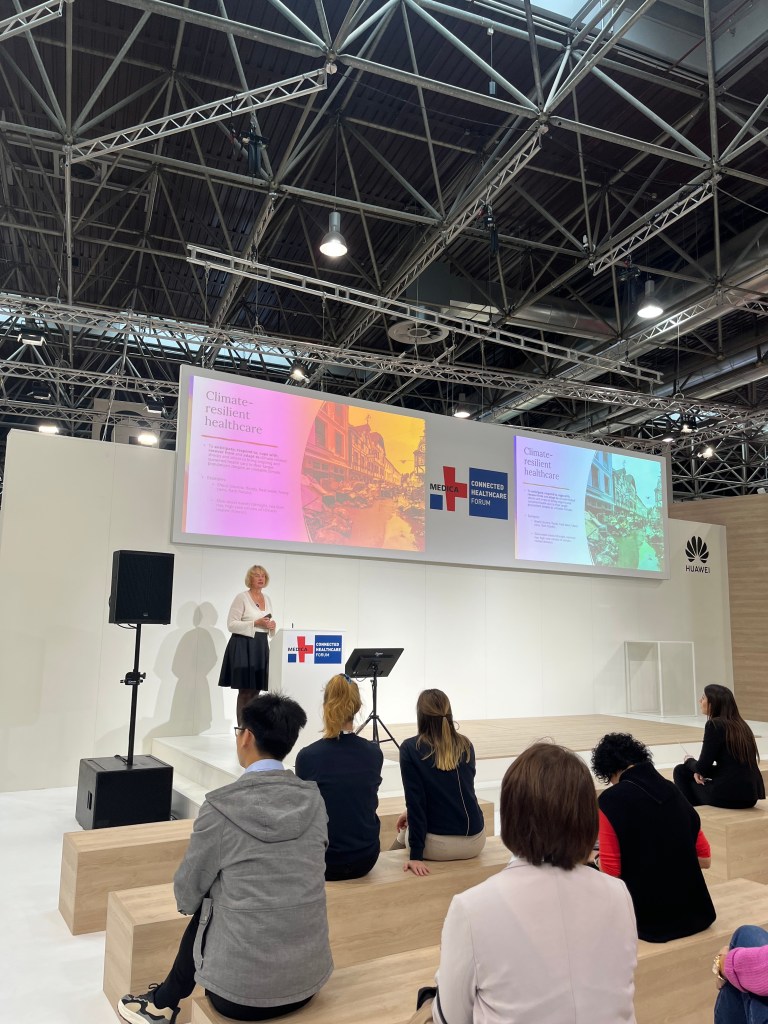
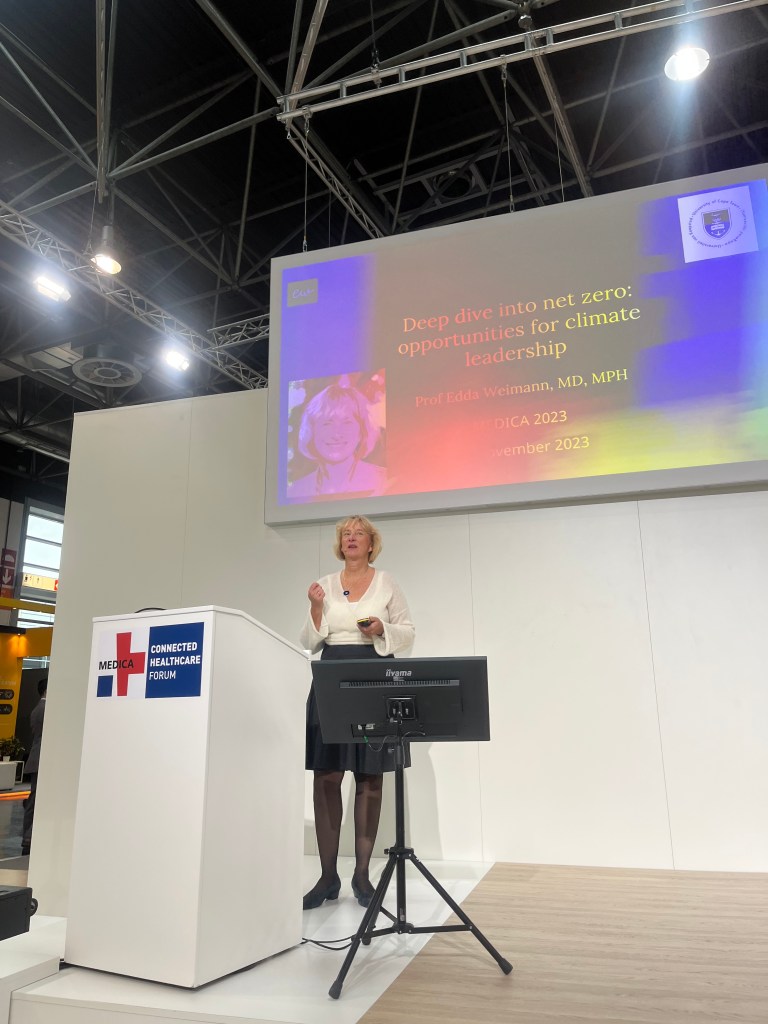
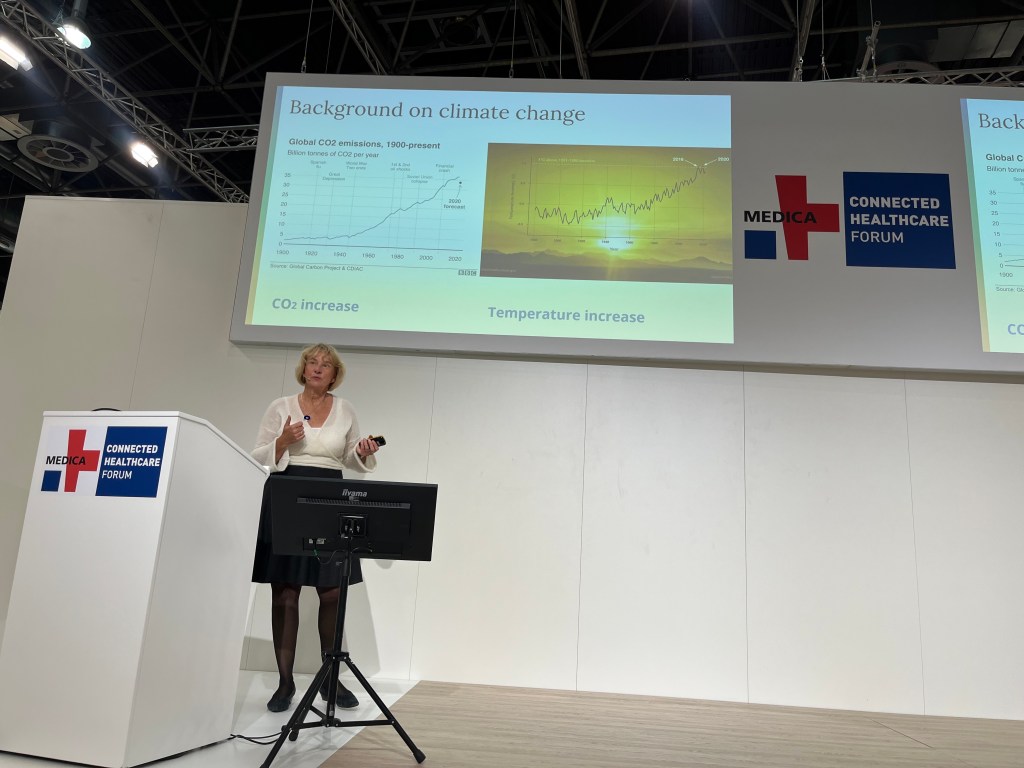
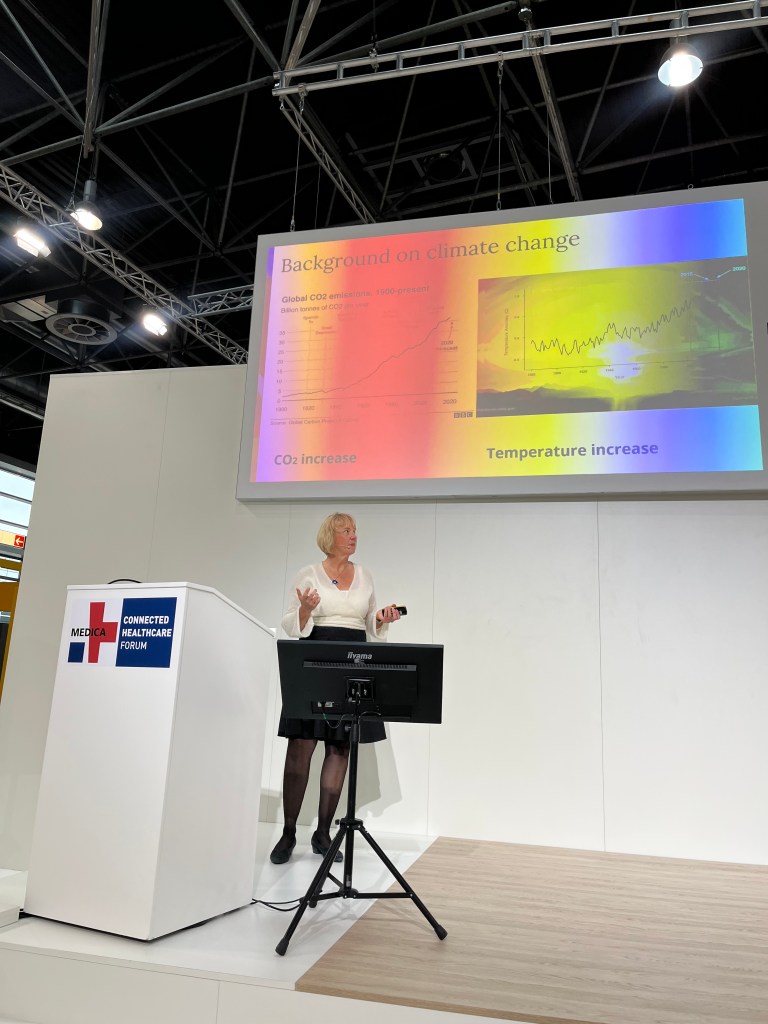
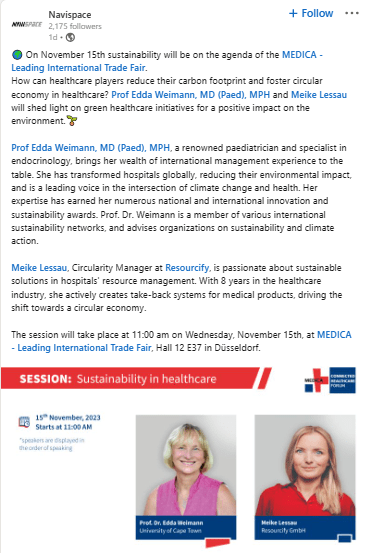
Join us on 15 November in Hall 12 at the world’s largest medical technology trade fair (MEDICA) for a deep dive into sustainable healthcare. I look forward to meeting you and delving into this important topic!
ENBEL – Health & Climate Change
Stockholm, October 2023
I was honoured to give a presentation on the transformative ways of hospitals to achieve net-zero emissions and contribute to the health of the population and our planet.

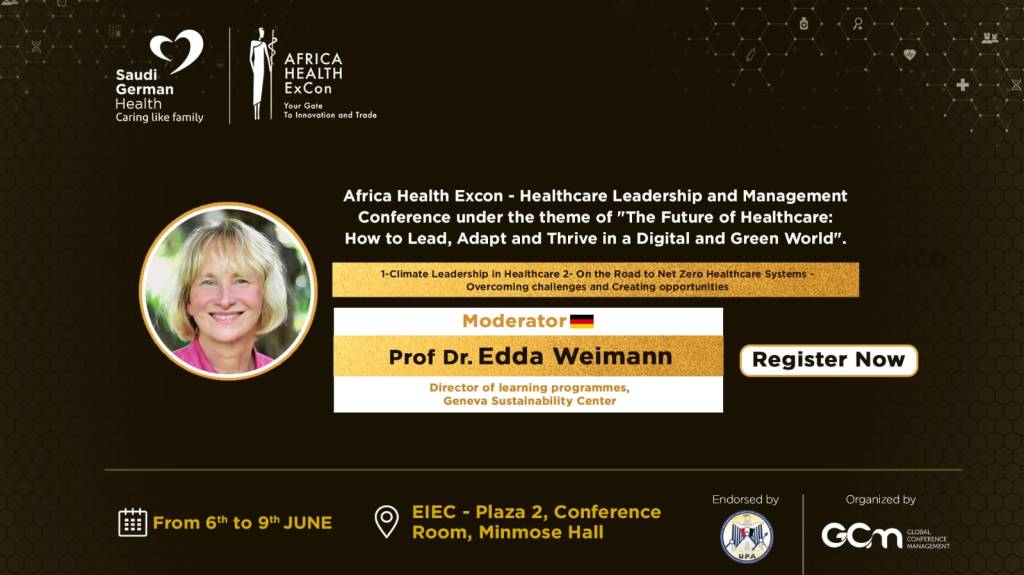
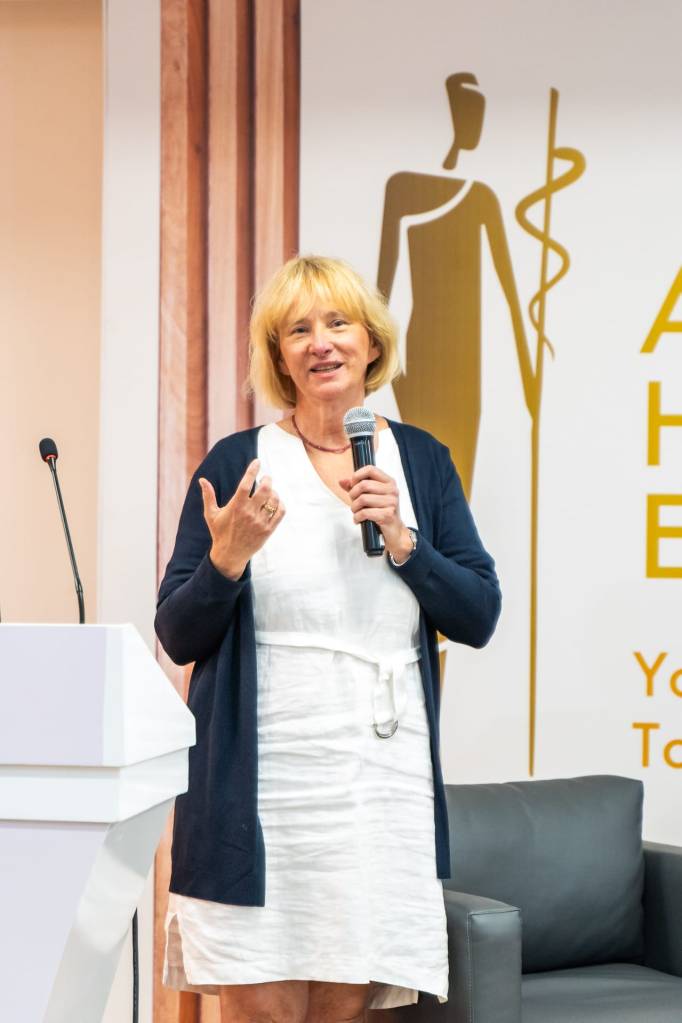
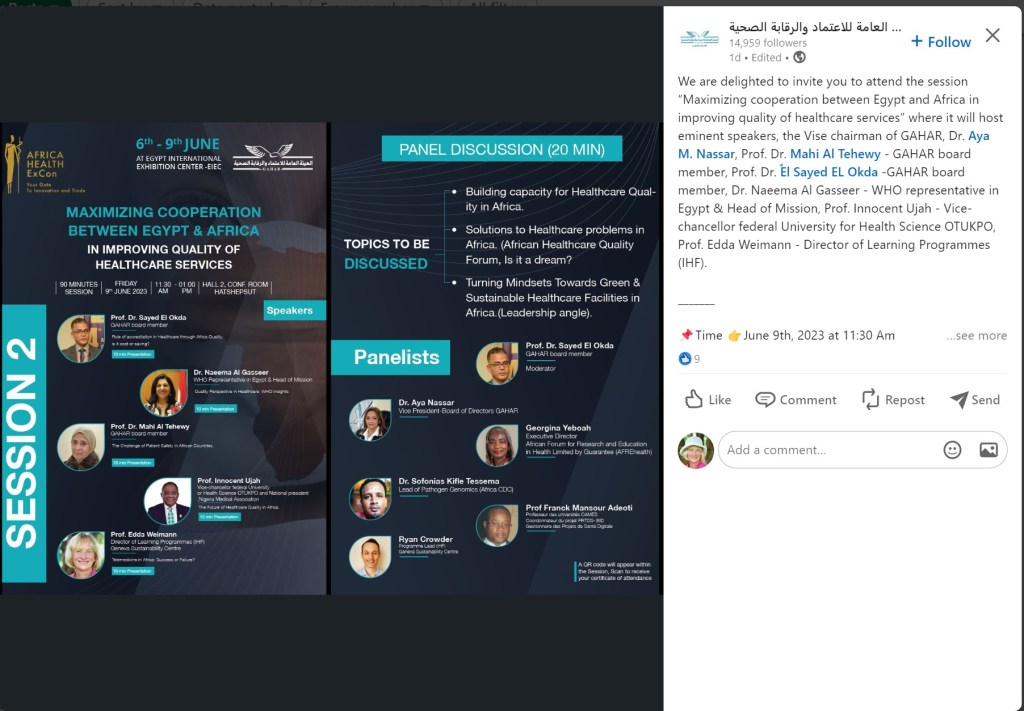
2nd Africa Health ExCon
Cairo, June 2023
ACHE: American College of Healthcare Executives Congress
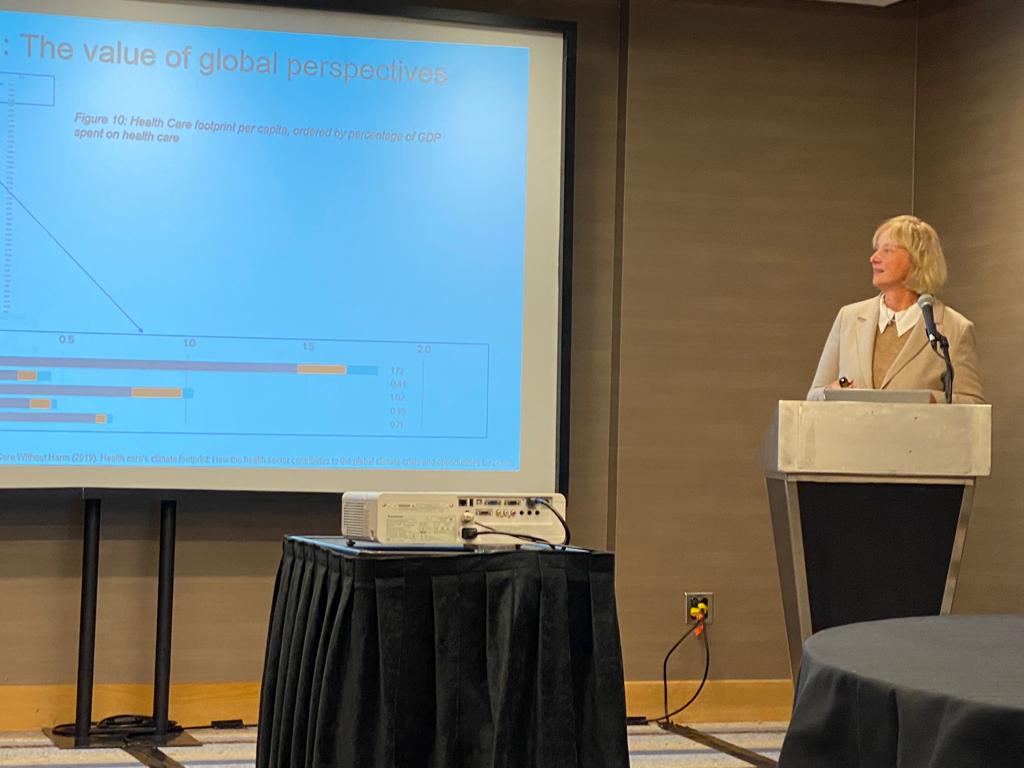
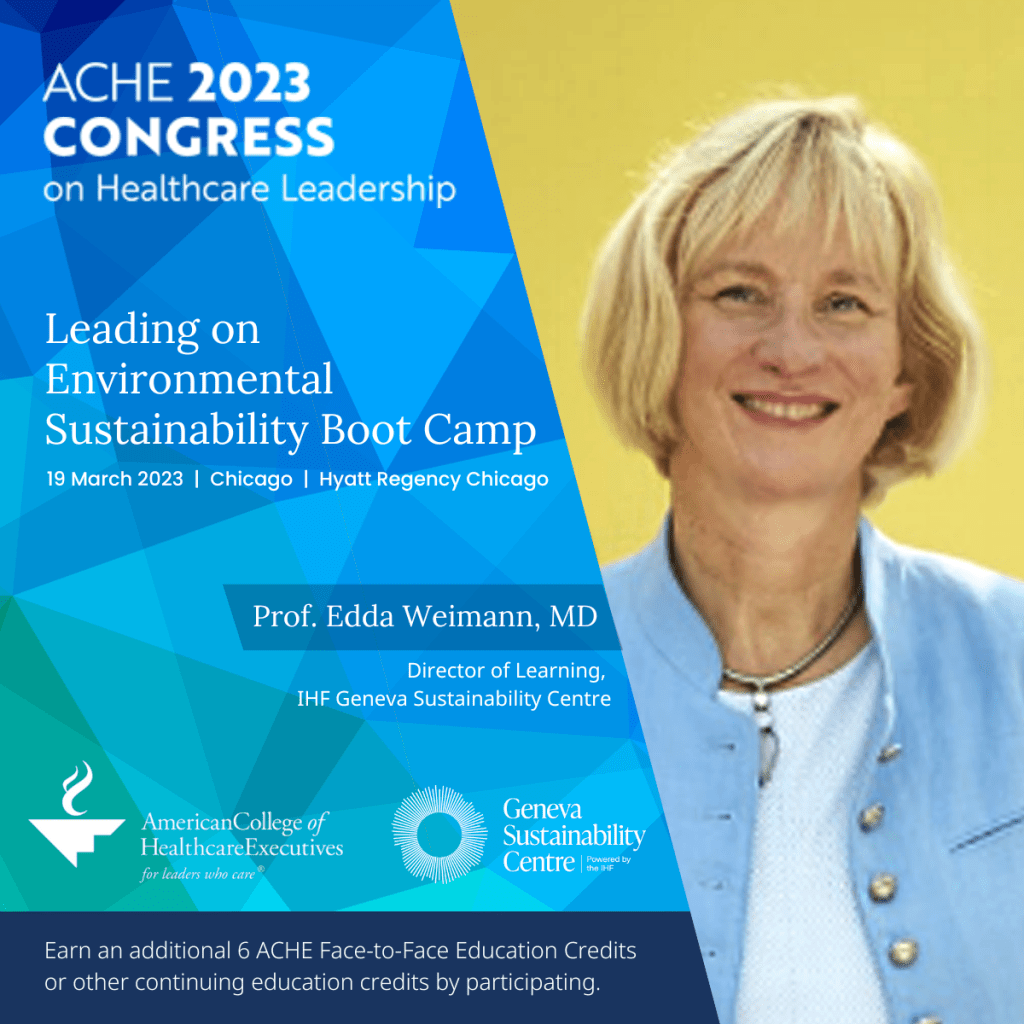
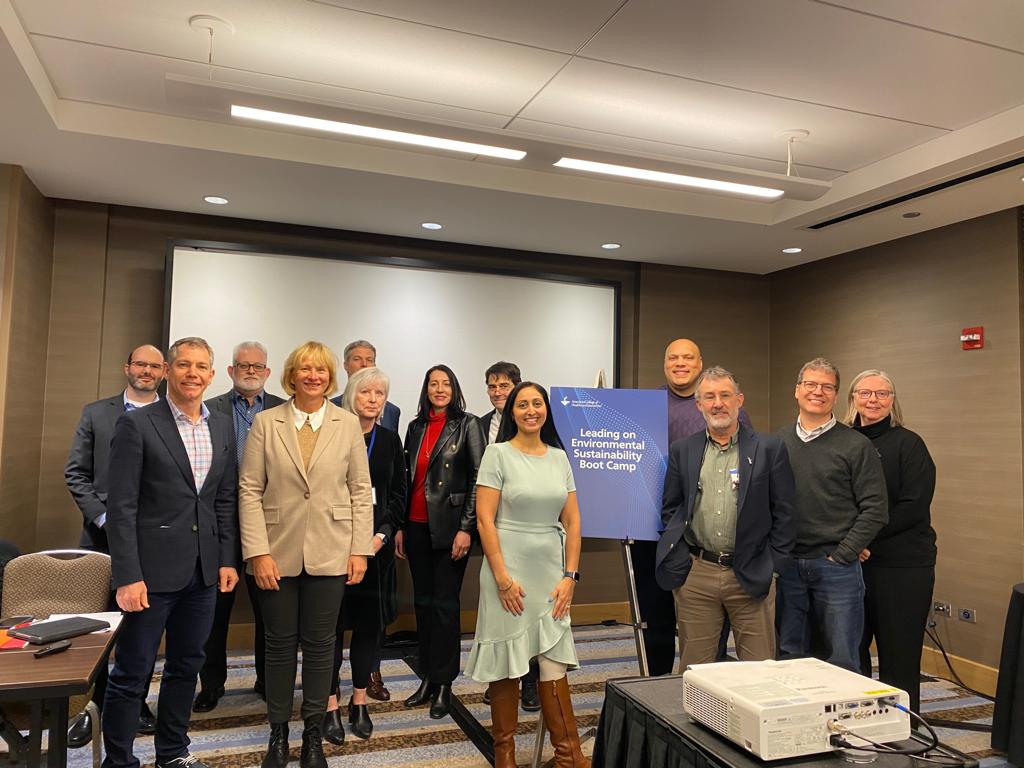
Chicago, March 2023
First boot camp ever on Sustainability – what are privilege to be surrounded by passionate and determined Healthcare Executives to drive change towards a liveable future for all. Thank you!
STAGE: Strategic and Technical Advisory Group of Experts Meeting, WHO
Geneva, November 2022
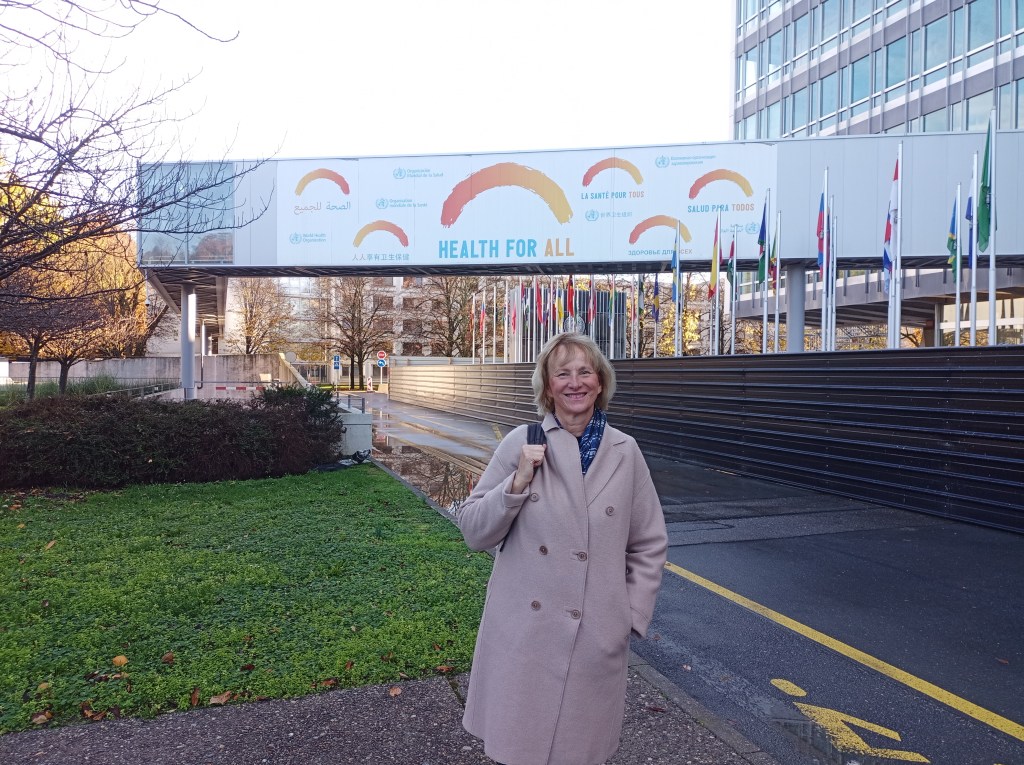
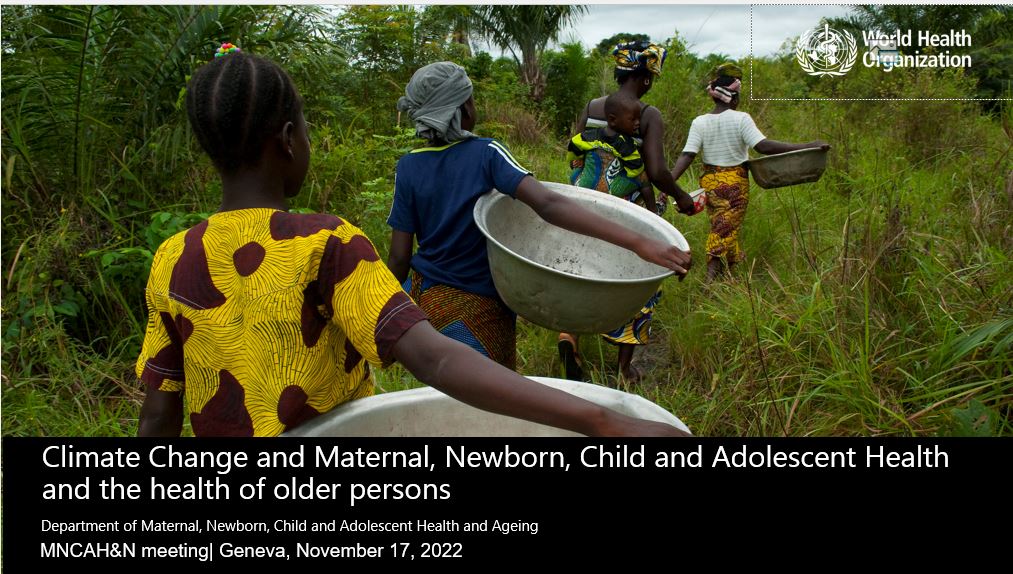
I was honoured to be invited to present our newly developed framework on climate change and health at the 6th meeting of WHO’s Strategic and Technical Advisory Group of Experts (STAGE) in Geneva. We advocated for children to be placed at the centre of attention as a highly vulnerable group in the face of impending climate disruption. The meeting took place at a historic moment, with the COP27 in Sharm el Sheikh discussing loss and damage funds and the impact of fossil fuels on our health.
The health impact of the climate crisis will depend very much on the path that governments choose to take. We need to take drastic steps and phase out fossil fuels (coal, natural gas and oil) to meet the Paris climate agreement and stay well below the 2°C average temperature increase that is already causing severe global health impacts. Alternatively, if humanity continues on the current trajectory towards a +3°C average temperature increase, the consequences for our physical and mental health and survival will be fatal.
Supported by The Lancet Countdown – Tracking Progress on Climate Change and Health, we still have this option, although the window of opportunity is rapidly closing.
World Hospital Conference
Dubai, October 2022
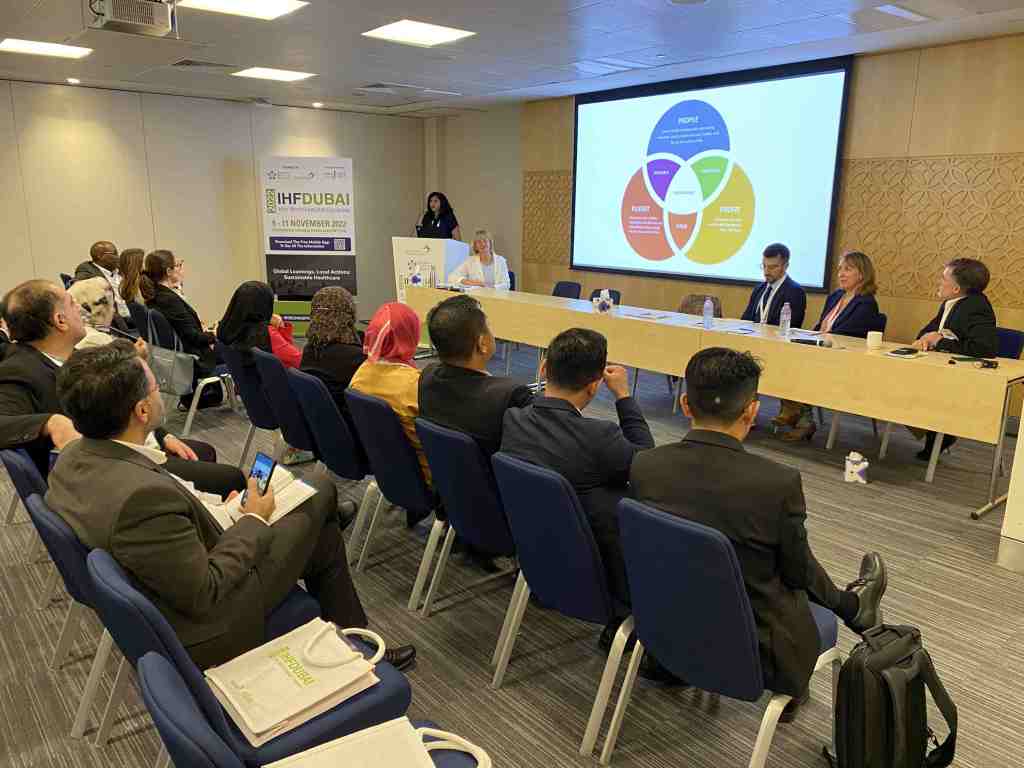
Session chair: “Hospitals leading towards a sustainable future”
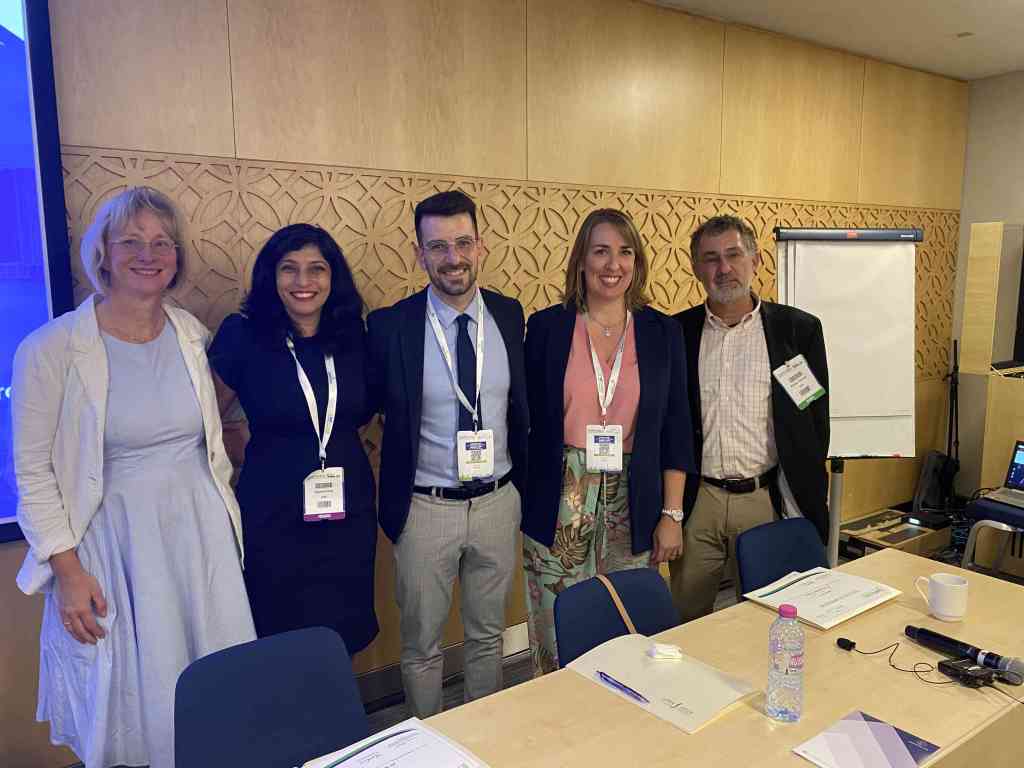
Sustainablity in healthcare is a rapidly evolving field. I had the honour to chair an exciting and inspiring session at the World Hospital Conference together with a highly engaging audience.
“Hospitals leading towards a sustainable future” presented leadership examples from France (Rennes University Hospital), the United States (Ohio State University & Mazetti) and Spain (Fundacio Aspace Catalunya).
Many thanks to the contributors as well to the audience that did not even want to close the session.
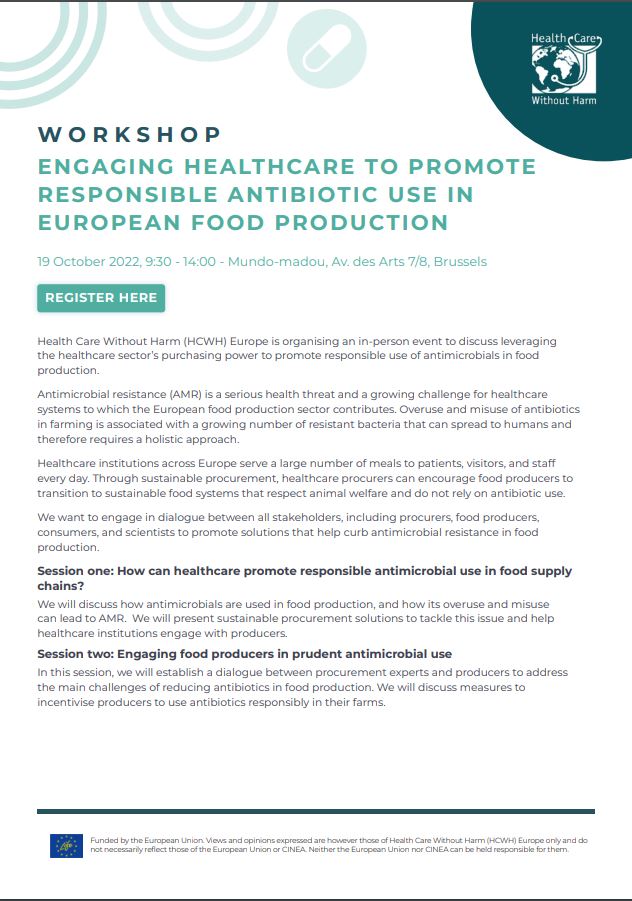
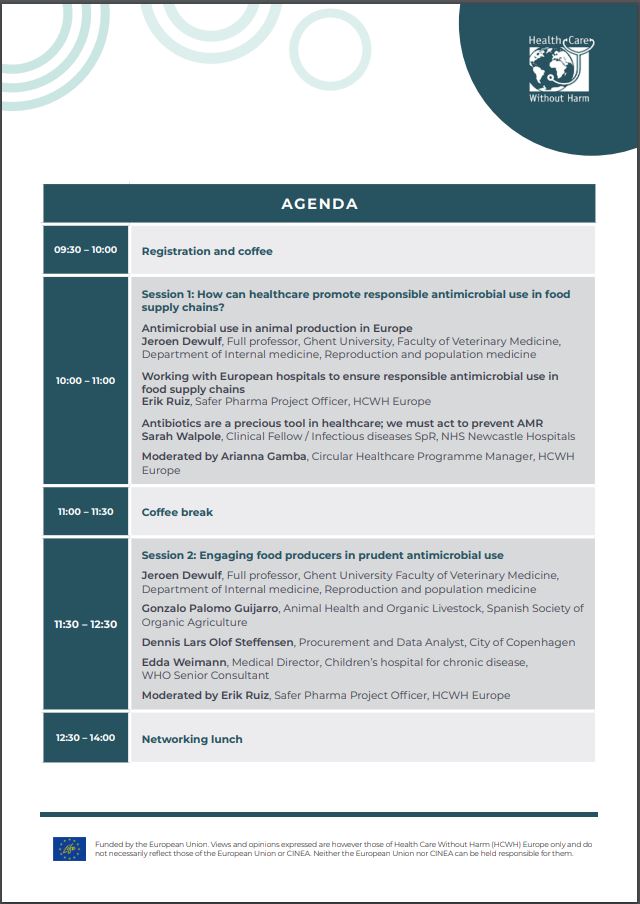
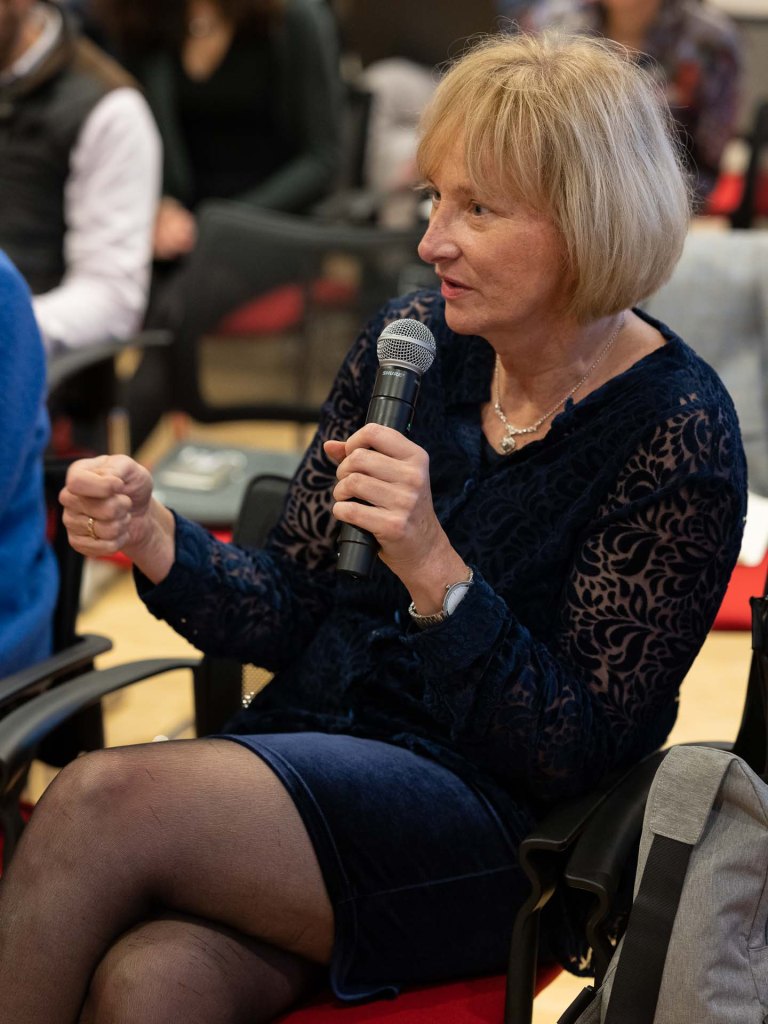
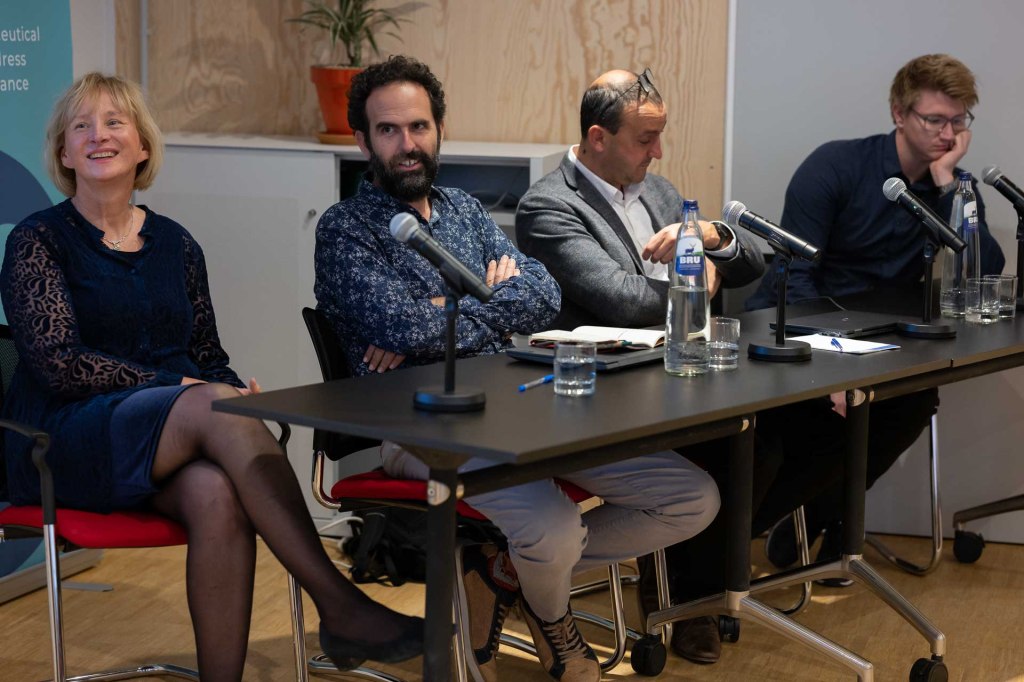
Talk: “On the path to net zero health care“
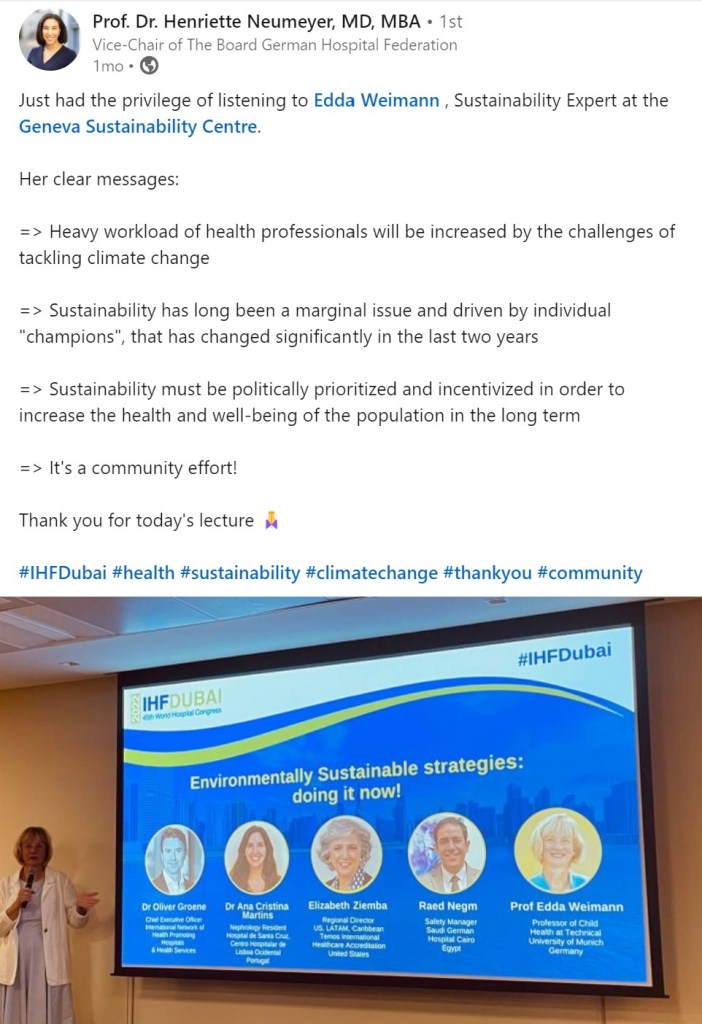
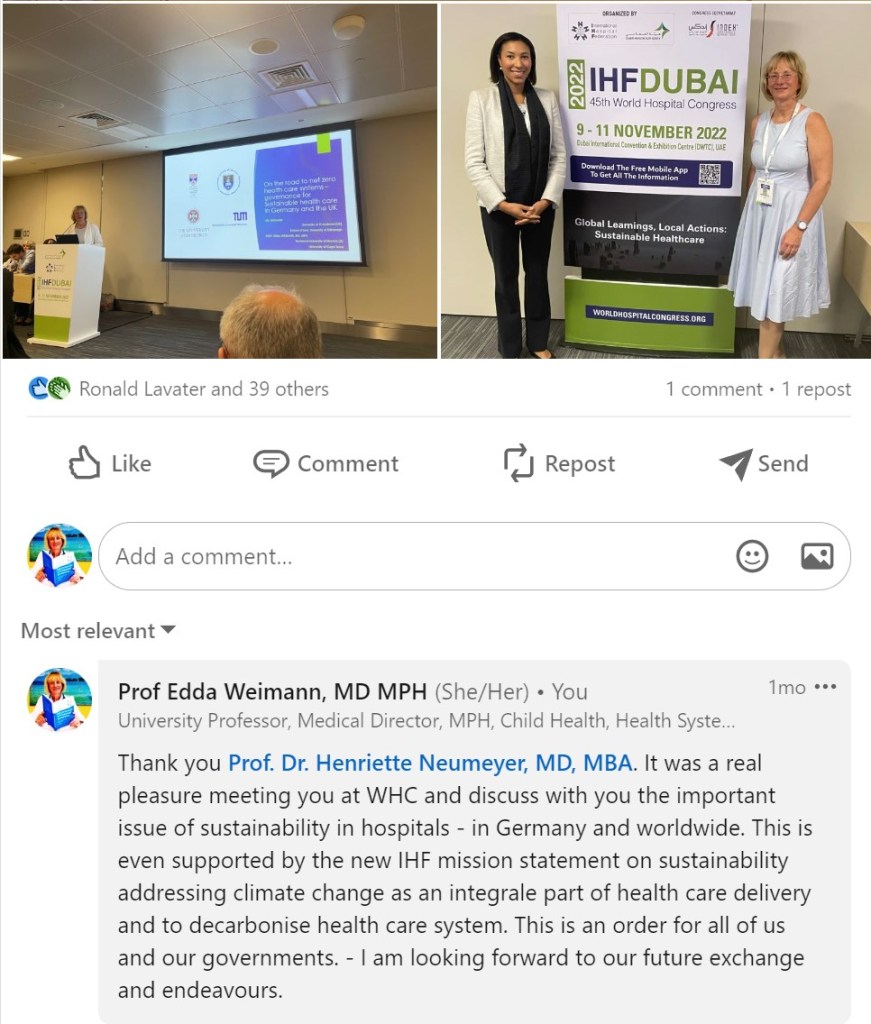
Healthcare Without Harm (HCWH)
Brussels, October 2022
https://noharm-europe.org/sustainable-food-procurement-event
Fit4future Conference,
Bad Greisbach, October 2022
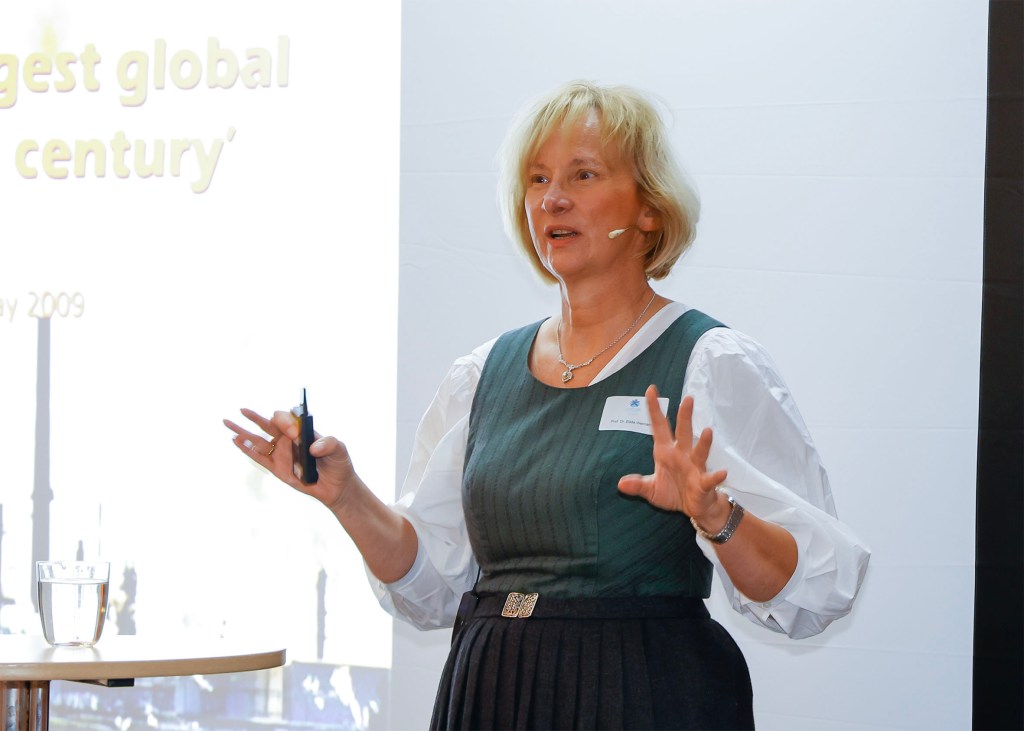
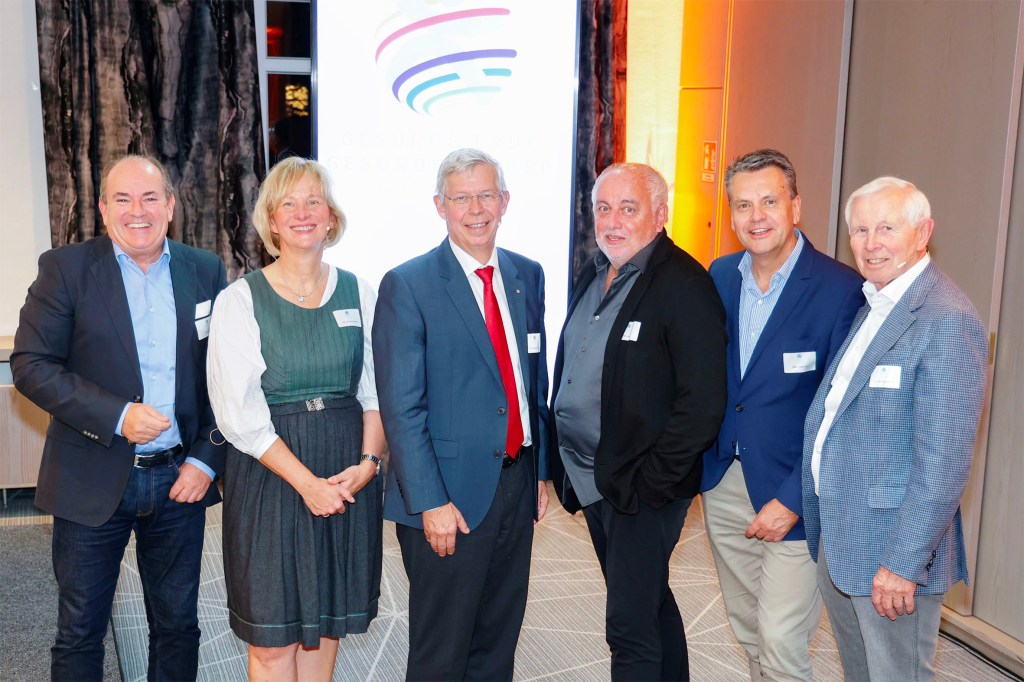
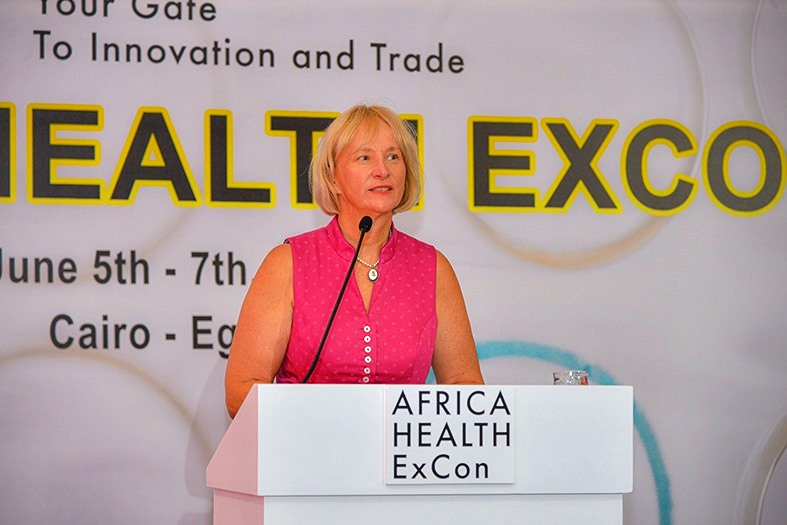
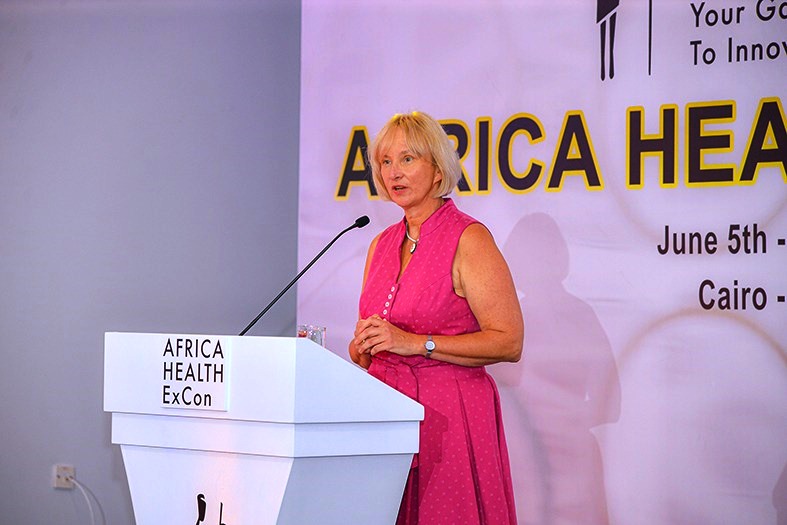
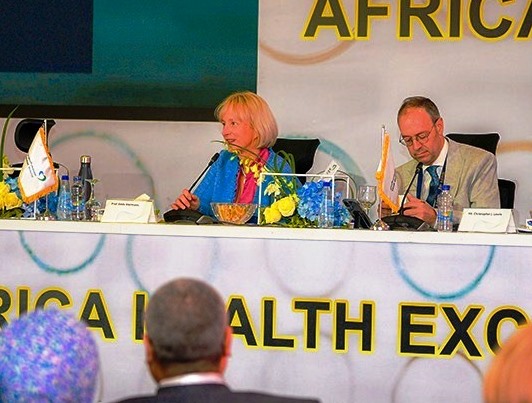
1st African Health ExCon
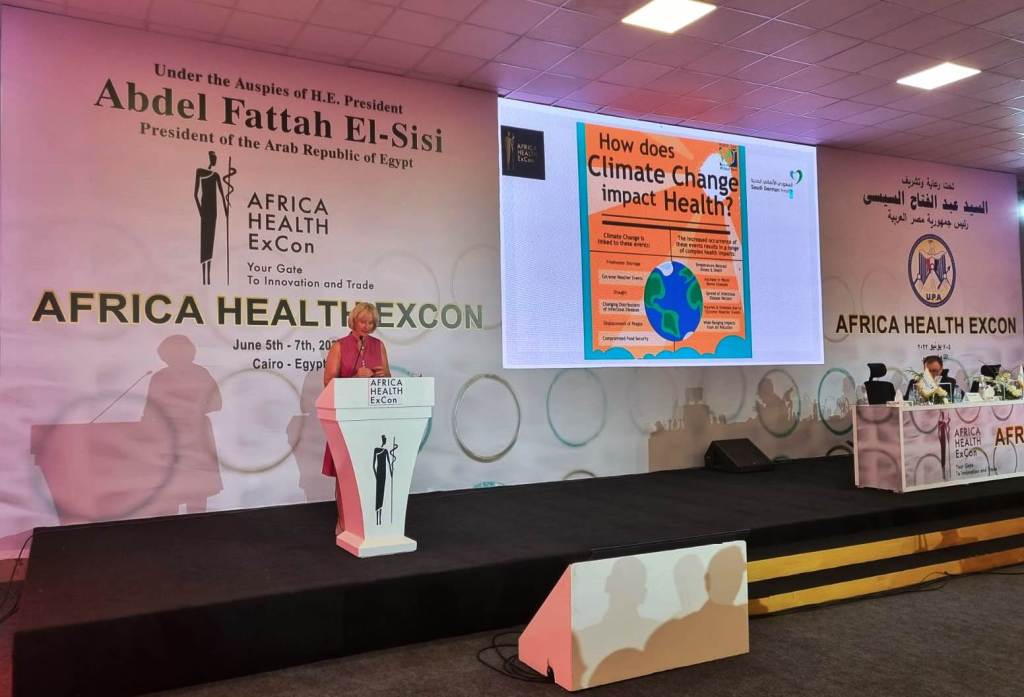
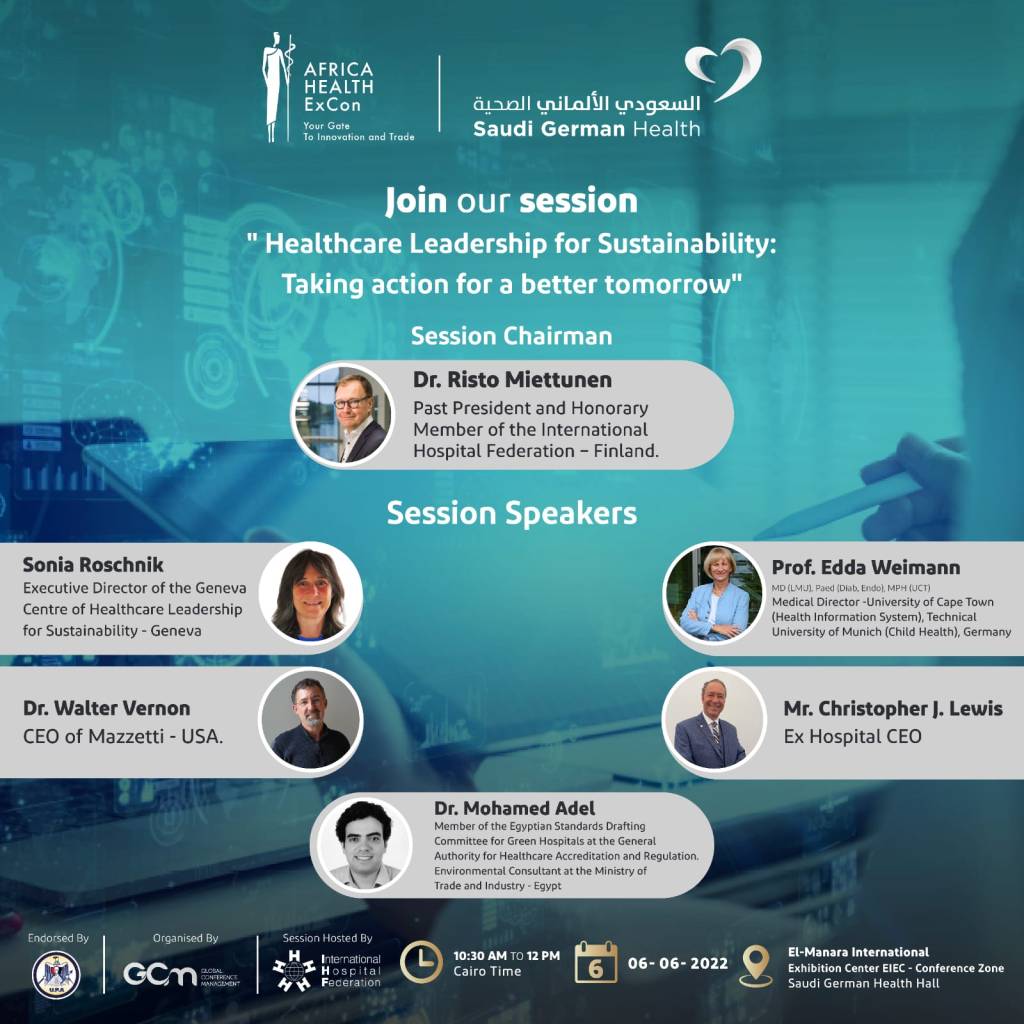
Cairo, June 2022
Plenary lecture on “How does Climate Change impact health”

Global Child Health Conference
University of Basel, June 2022
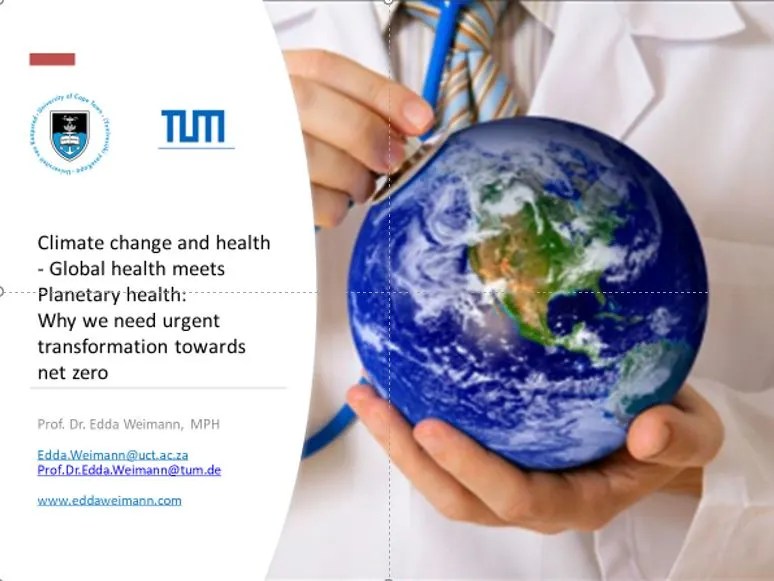
Workshop Climate Change and Health Keynote: Why do we urgently transformation towards net zero
Heat and health – how to prepare for heat waves and prevent health impacts, KLUG, May 2023
Talk and workshop KLUG (Webinar)

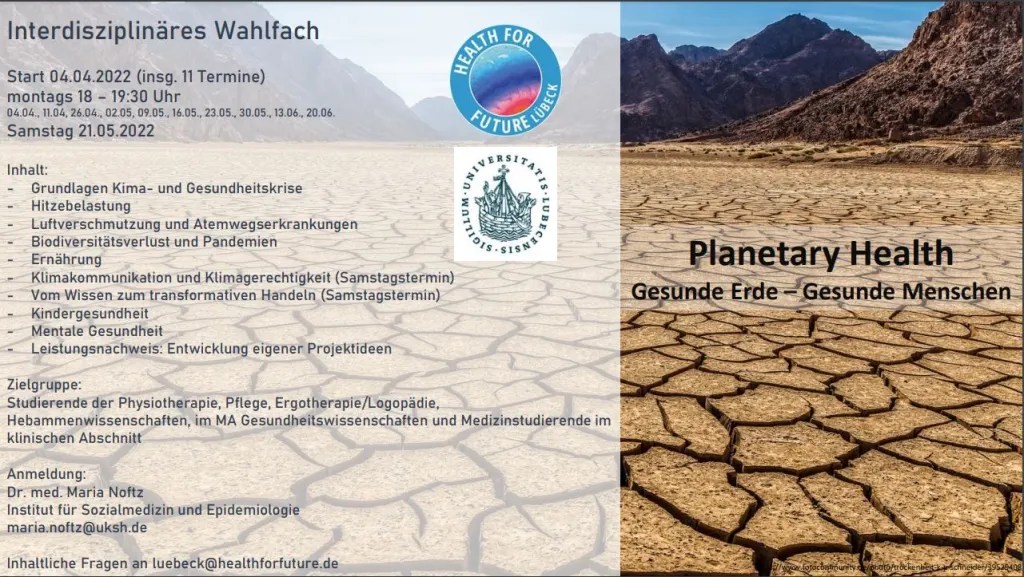
Planetary Health Academy, H4F
University of Lübeck, April 2022
Climate Change and Health Summit
Gaissach, March 2022
We have only 8 years to significantly reduce our carbon emissions to avoid catastrophic climate change. The healthcare sector is the fifth largest contributor to climate change. Therefore, as healthcare professionals, we have a responsibility to reduce our carbon emissions and become net zero within a decade. The challenge is to transform the complex healthcare sector to net-zero emissions. The Health and Climate Summit, which will take place as an online conference on 25-26 March 2022, will highlight the challenges but also the opportunities to improve our health and well-being. Topics will include green hospitals, zero emissions in all scope classes, carbon sensitive treatment options, planetary health, current and future ways to provide healthy and plant-based food in hospitals.
Here is the link to register for the conference:

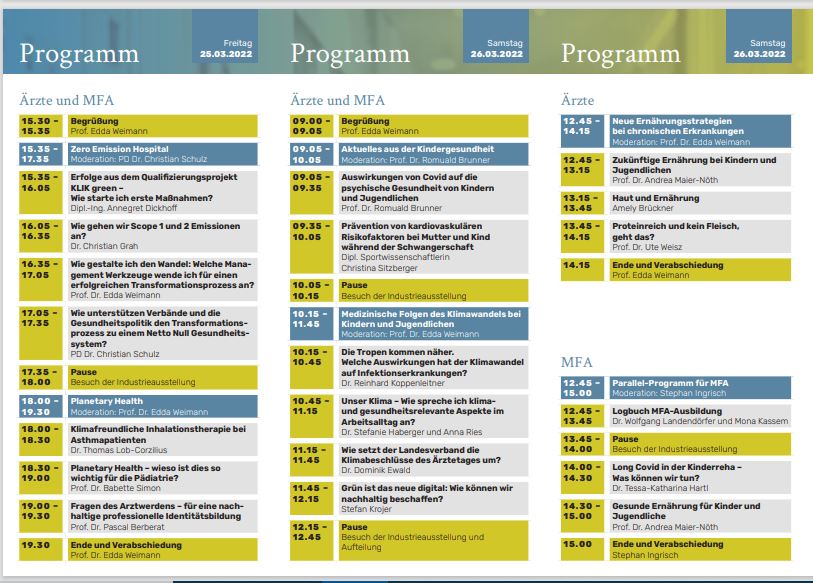

Registration and program are available under https://b4c-solutions.de/gaissacher-klima-und-gesundheitstage-2022/
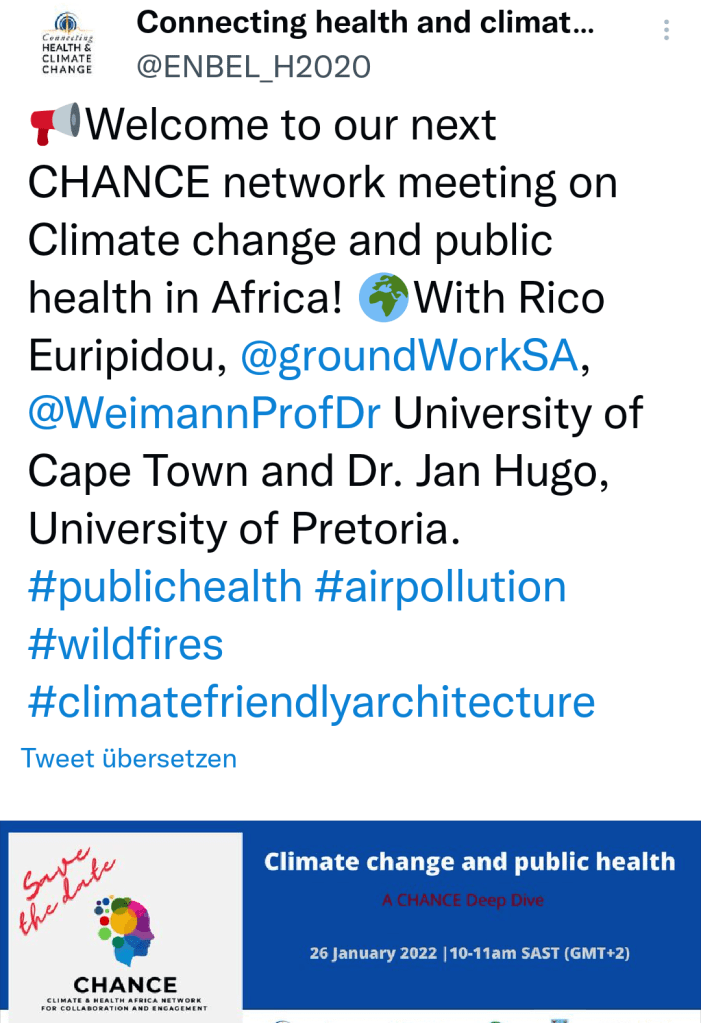
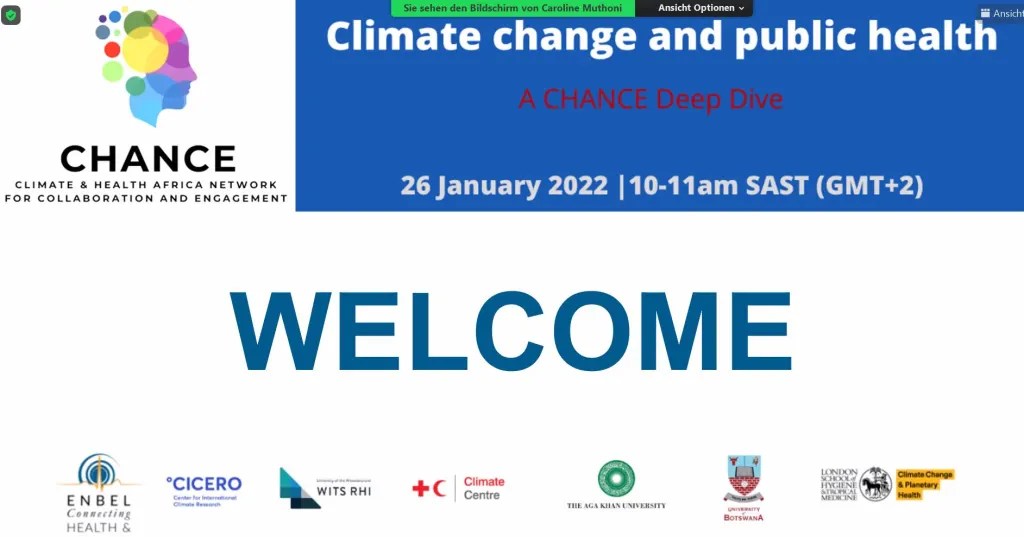
Climate change and Health in Africa, ENBEL,
January 2022 (Webinar international)
Air pollution and wild fires – the impact on child health
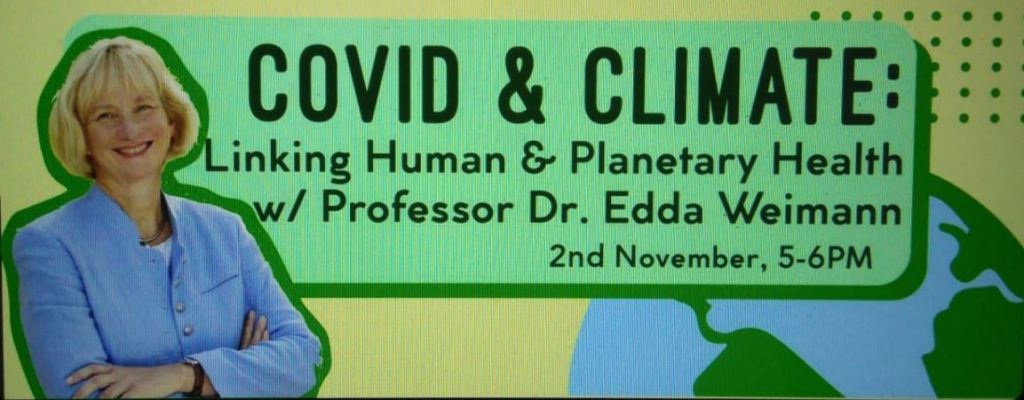
Webinar Climate Change & COVID
ISSOP Webinar on Climate change and Child Health
24th and 25th June 2021
international Webinar recorded on YouTube
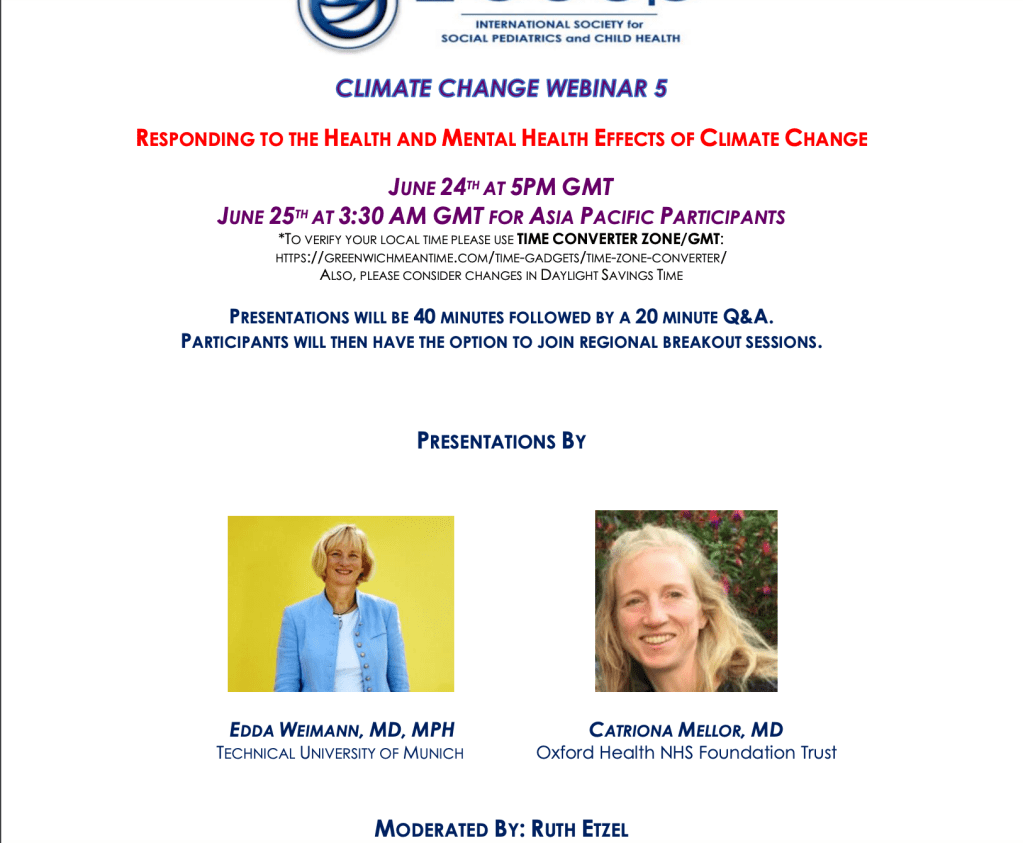
In an ISSOP Webinar (24 and 25 June 2021) Professor Edda Weimann explains the impacts of the climate crisis on paediatric diseases such as Diabetes, Asthma, Obesity and Mental Health
Green hospitals
Germany
South Africa
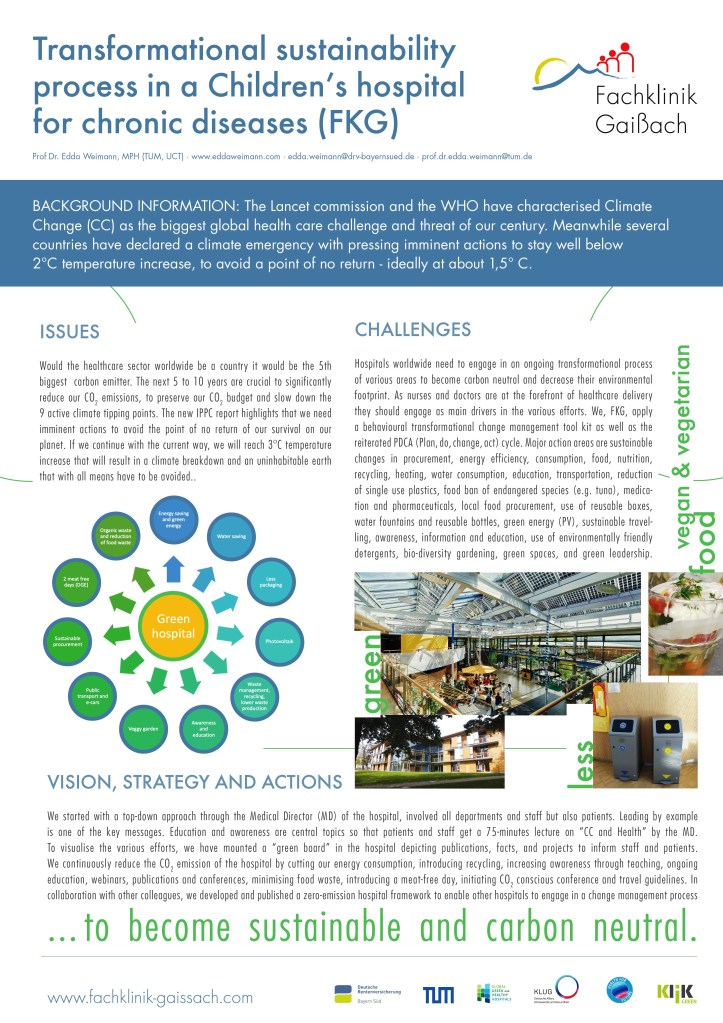
Tackling the climate targets set by the Paris Agreement (COP 21): Green leadership empowers public hospitals to overcome obstacles and challenges in a resource-constrained environment.
Here is the link to the article in SAMJ
The School of Film Studies at UCT was engaged to create a documentary on Green leadership at Groote Schur Hospital. Interviews were done with various role players.
Green Hospital and Environment Fair Groote Schuur Hospital
7th September 2018, University of Cape Town

Venue: Groote Schuur Hospital, University Hospital Cape Town (UCT)
Conception & Organisation of Fair, Workshops & Conference
 Climate action means health protection